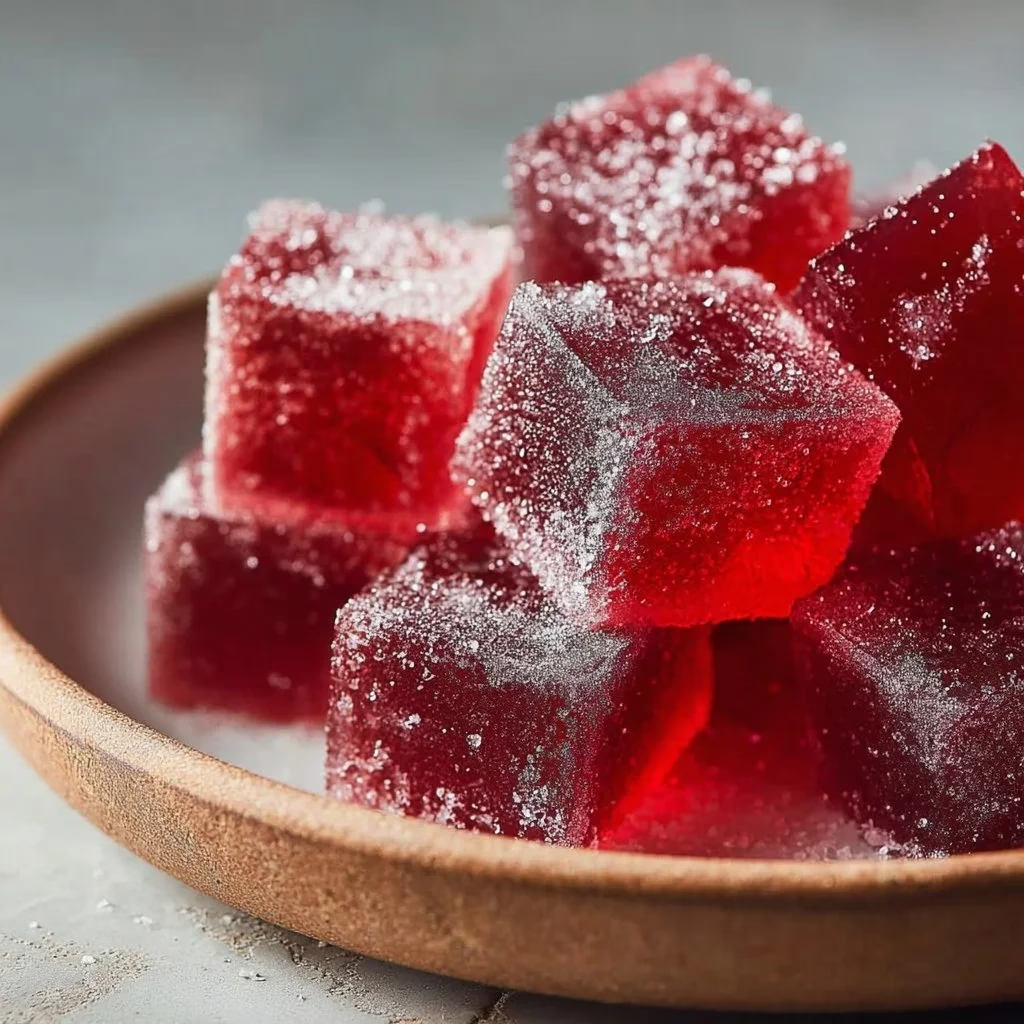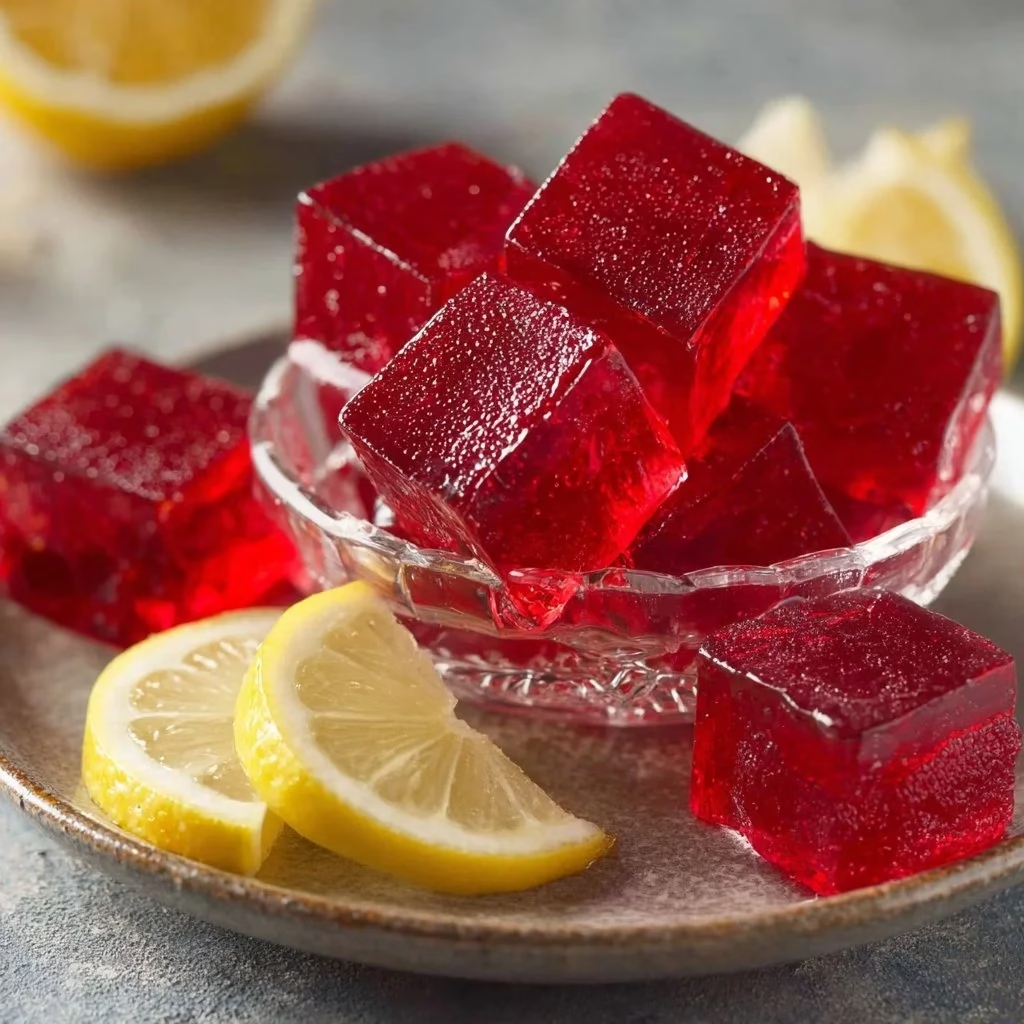
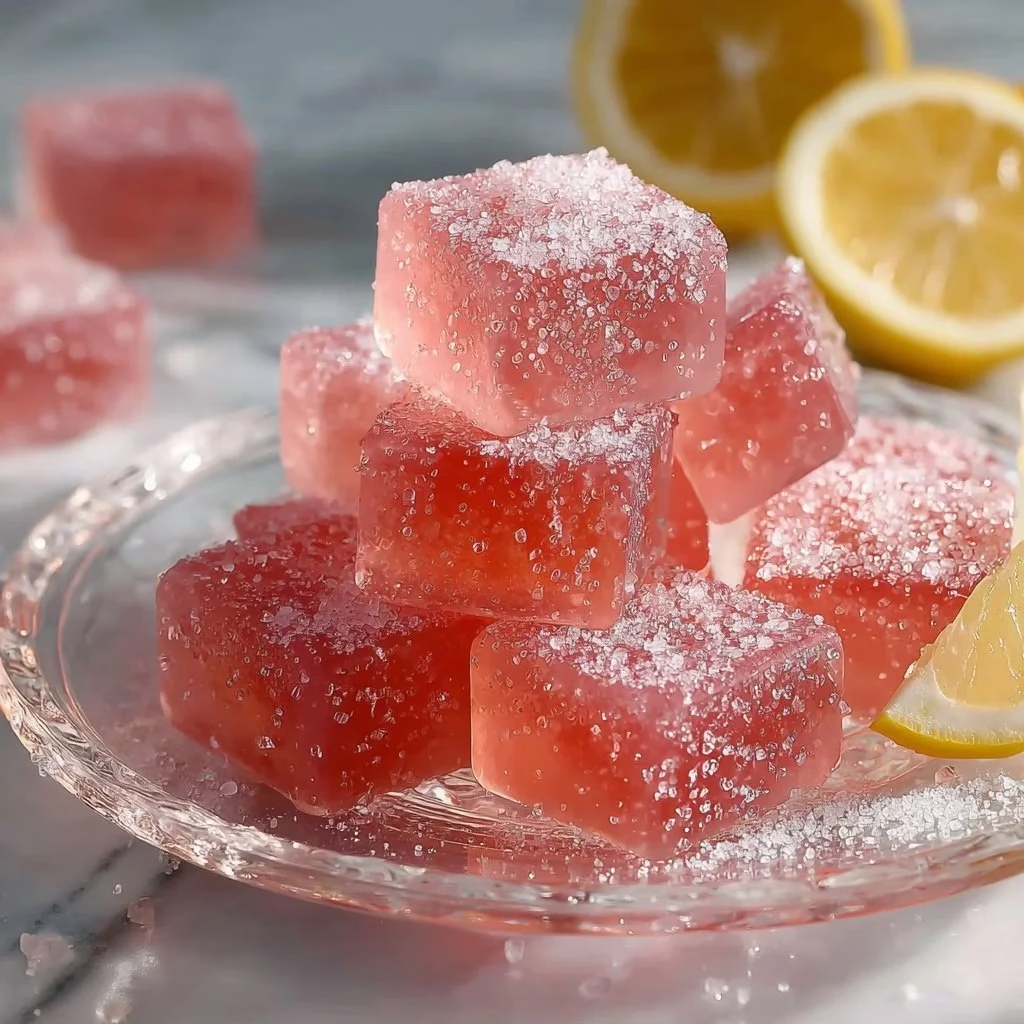
Lemon Gelatin is a light, citrusy gelatin dessert that many people use as a low-calorie snack to help tame hunger between meals and support weight loss goals. It tastes bright and tart with a cool, jiggly texture and a faint aroma of fresh lemon; served chilled it feels refreshing on the tongue. People often choose it because it can satisfy sweet cravings with few calories and is easy to portion. Whether you want a quick dessert, a snack that helps with hydration, or a simple way to curb late-night cravings, this recipe is worth trying — and it might become a handy tool in your routine. For a tonic-style option that complements this approach, see this lemon gelatin tonic recipe for inspiration: lemon gelatin tonic.
What Is Lemon Gelatin?
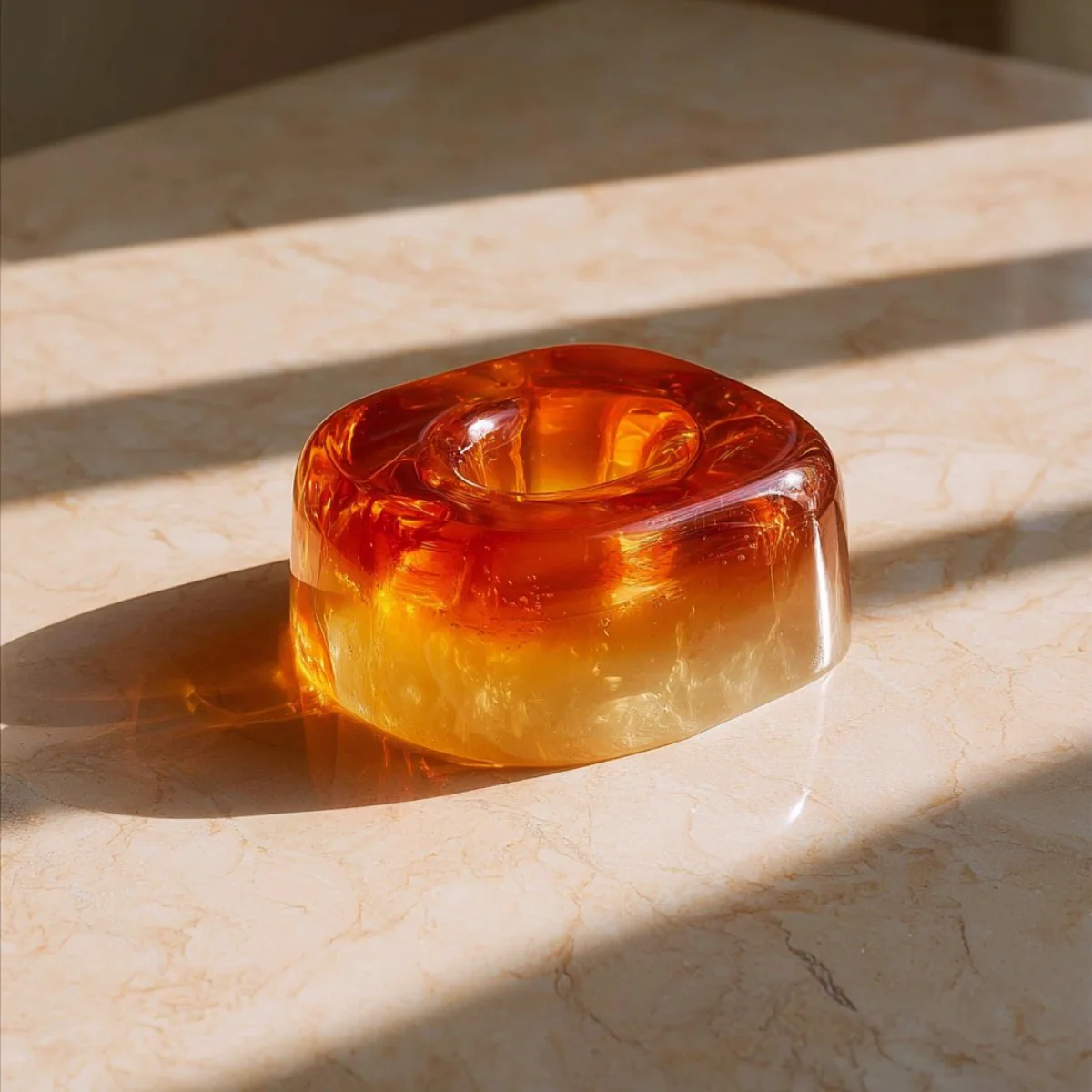
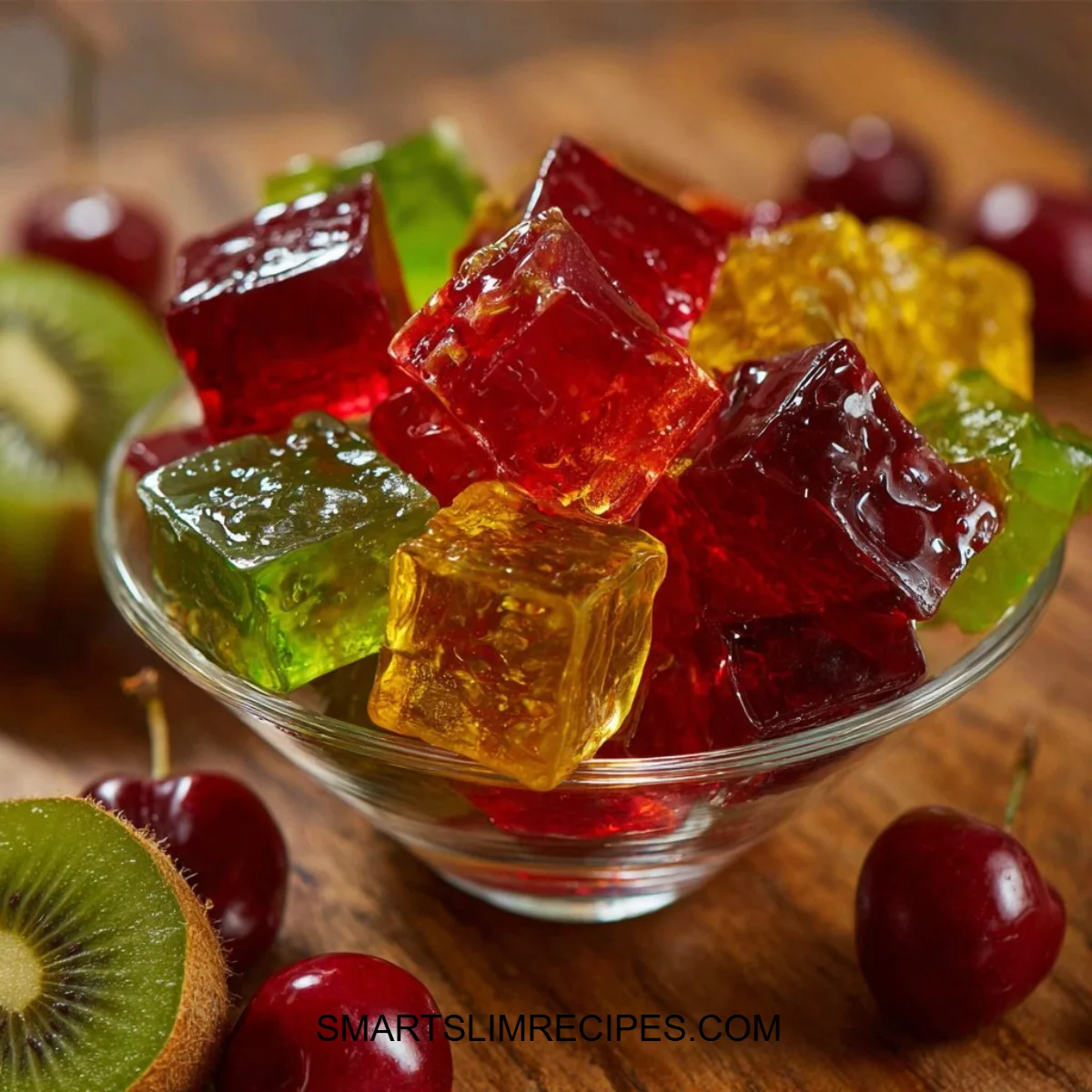
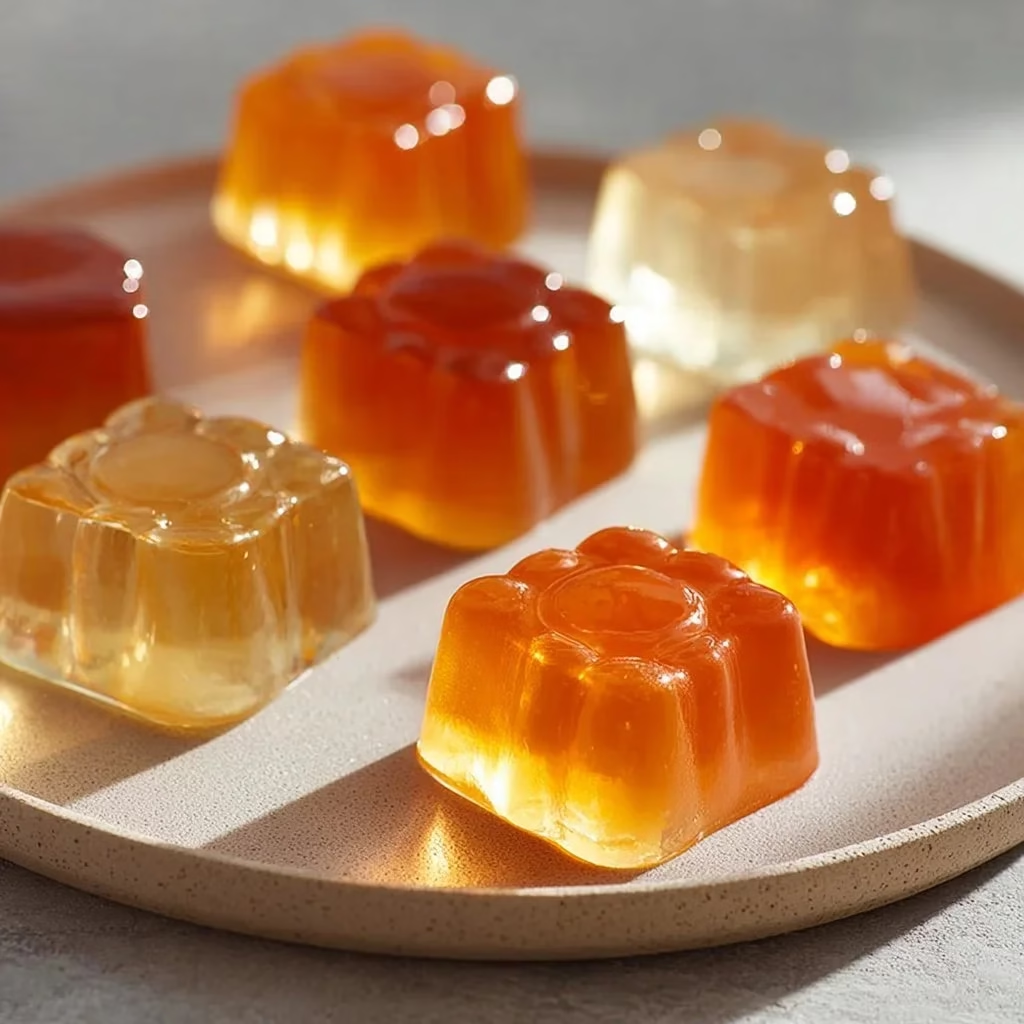
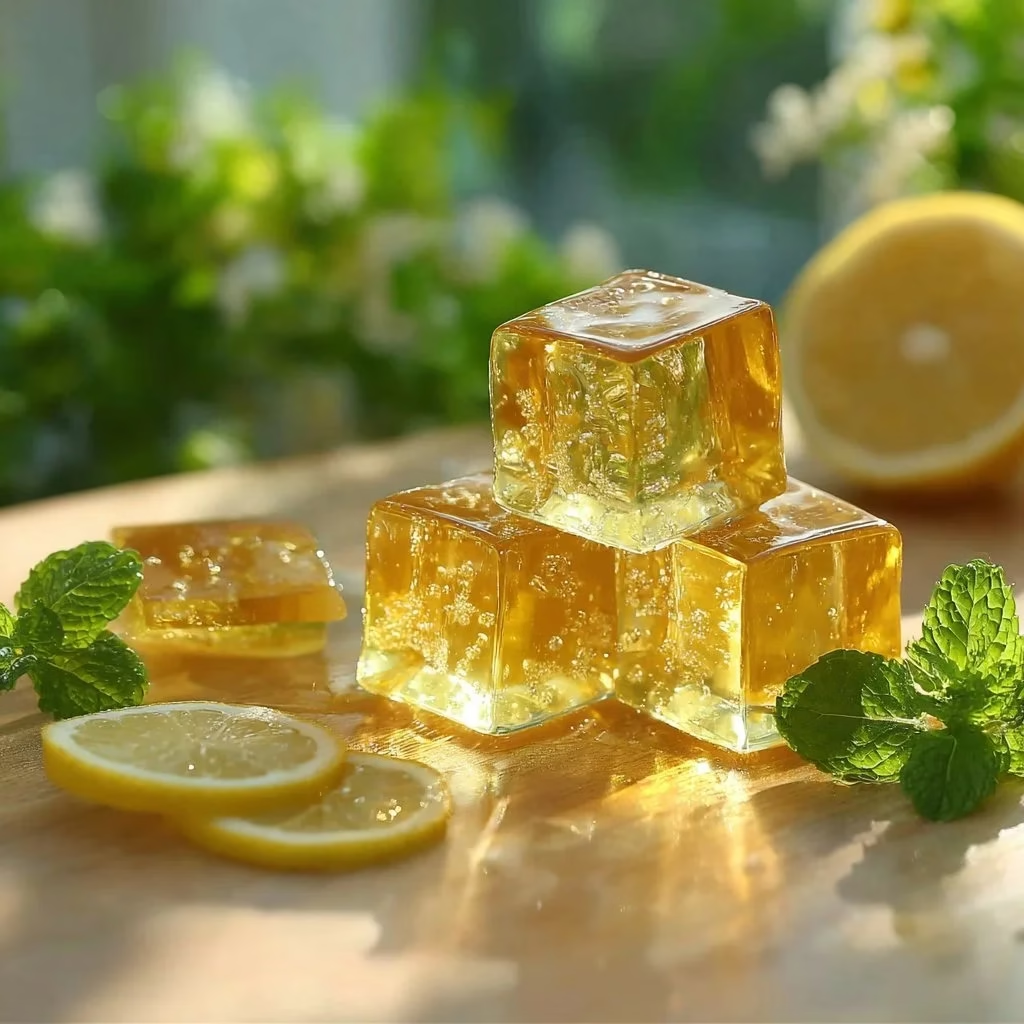
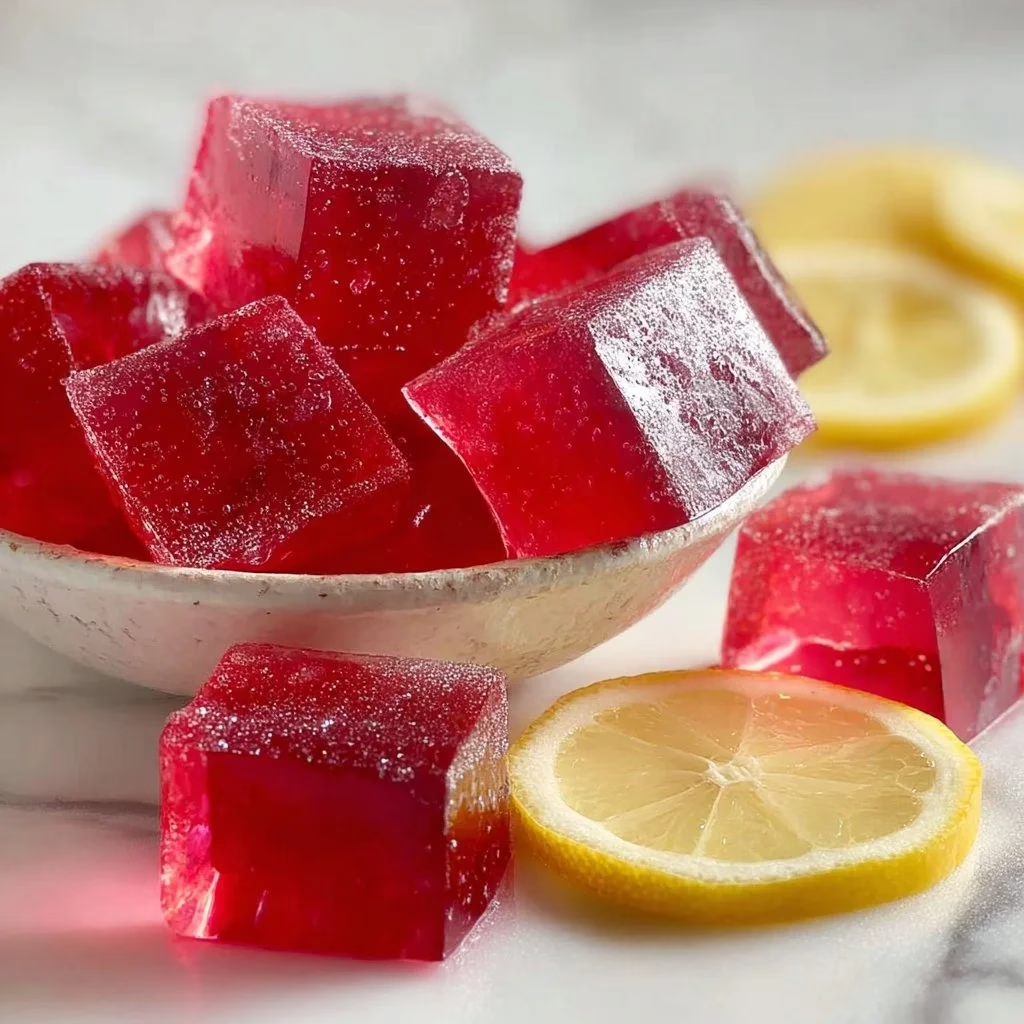
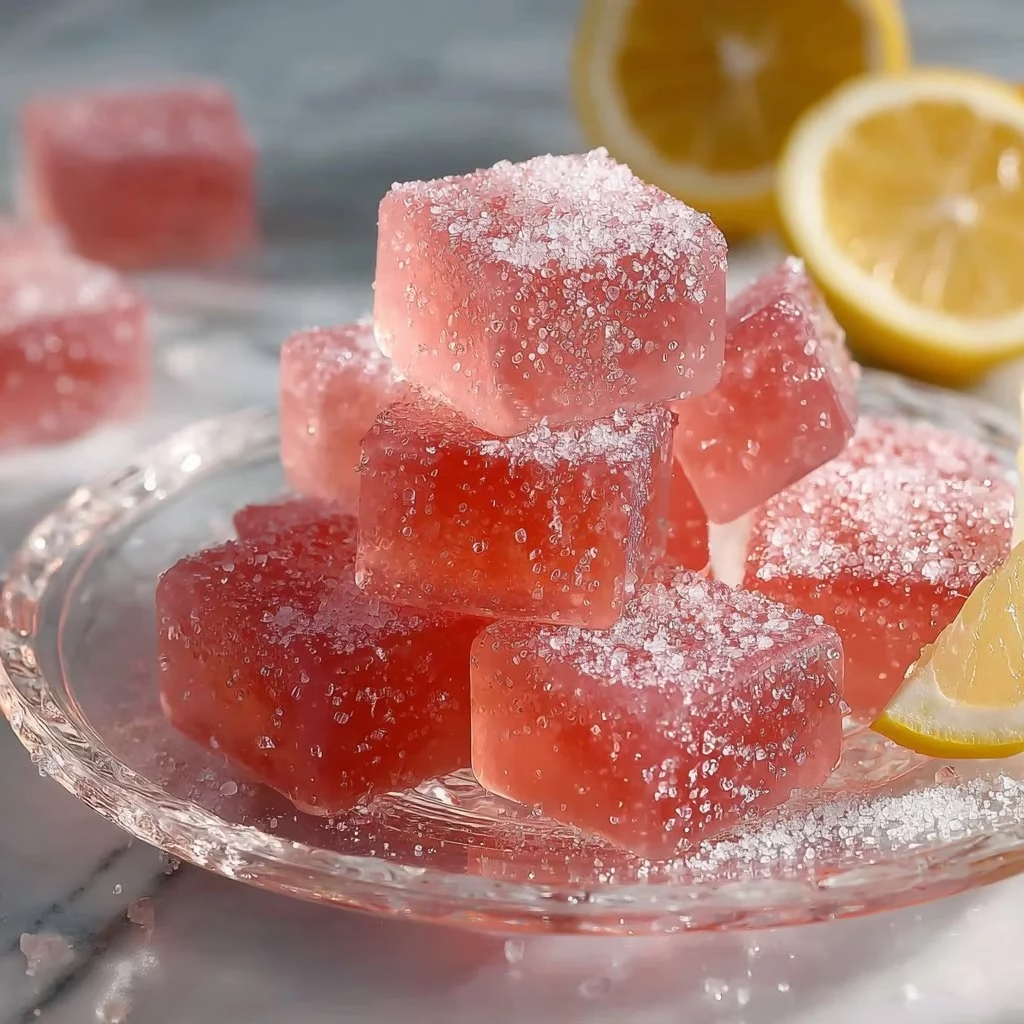
Lemon Gelatin is a gelatin-based dessert flavored with lemon juice or lemon extract, sweetener, and water. Traditional versions use powdered gelatin and sugar, but many people make lighter variations with less sweetener or natural alternatives; the end result is a firm but tender gel that melts pleasantly on the palate and releases bright citrus notes as you chew.
Beyond being a dessert, Lemon Gelatin is used by some as a slimming aid because it provides a low-calorie, portion-controlled sweet treat that can reduce the urge to overeat higher-calorie desserts. Gelatin itself contains protein-like amino acids such as glycine, and while it is not a complete protein, its texture can promote chewing and slower eating. For a simple three-ingredient variation aimed at weight management, check this guide to a basic gelatin recipe: 3-ingredient gelatin recipe for weight loss.
Why People Love This Method for Weight Loss
Many people appreciate Lemon Gelatin because it delivers a dessert-like experience without the calories of traditional sweets, helping them stick to their plan while still enjoying pleasant flavors and textures. It’s easy to make, versatile, and can be adapted to different sweetness preferences, which makes it a popular choice for people trying to reduce caloric intake without feeling deprived.
- Easy ingredients: Most recipes use gelatin, lemon, water, and a sweetener most kitchens already have.
- Low cost: Powdered gelatin and lemon are inexpensive pantry staples.
- Fits routine: Chilled gelatin can be prepped ahead and portioned for busy days.
- Helps cravings: The sweet-tart profile can reduce cravings for heavier desserts.
- Hydration support: Made with water, gelatin can contribute to daily fluid intake.
For another take on a simple gelatin trick that many find effective, see this variation: 3-ingredient gelatin trick 2.
Ingredients
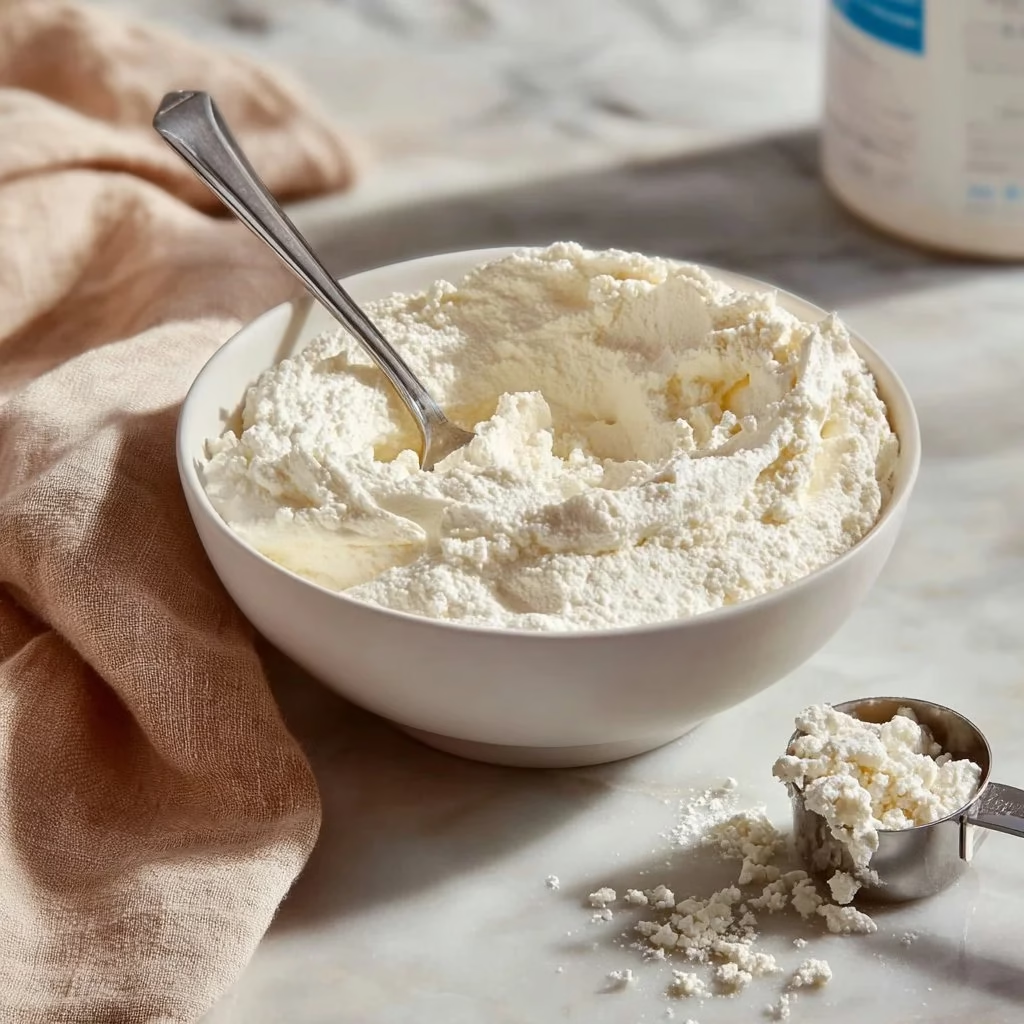
- Powdered gelatin (or agar-agar for a vegetarian option) — gives structure and that classic wobbly texture.
- Fresh lemon juice or bottled lemon concentrate — provides bright flavor and natural acidity; fresh juice is best for aroma.
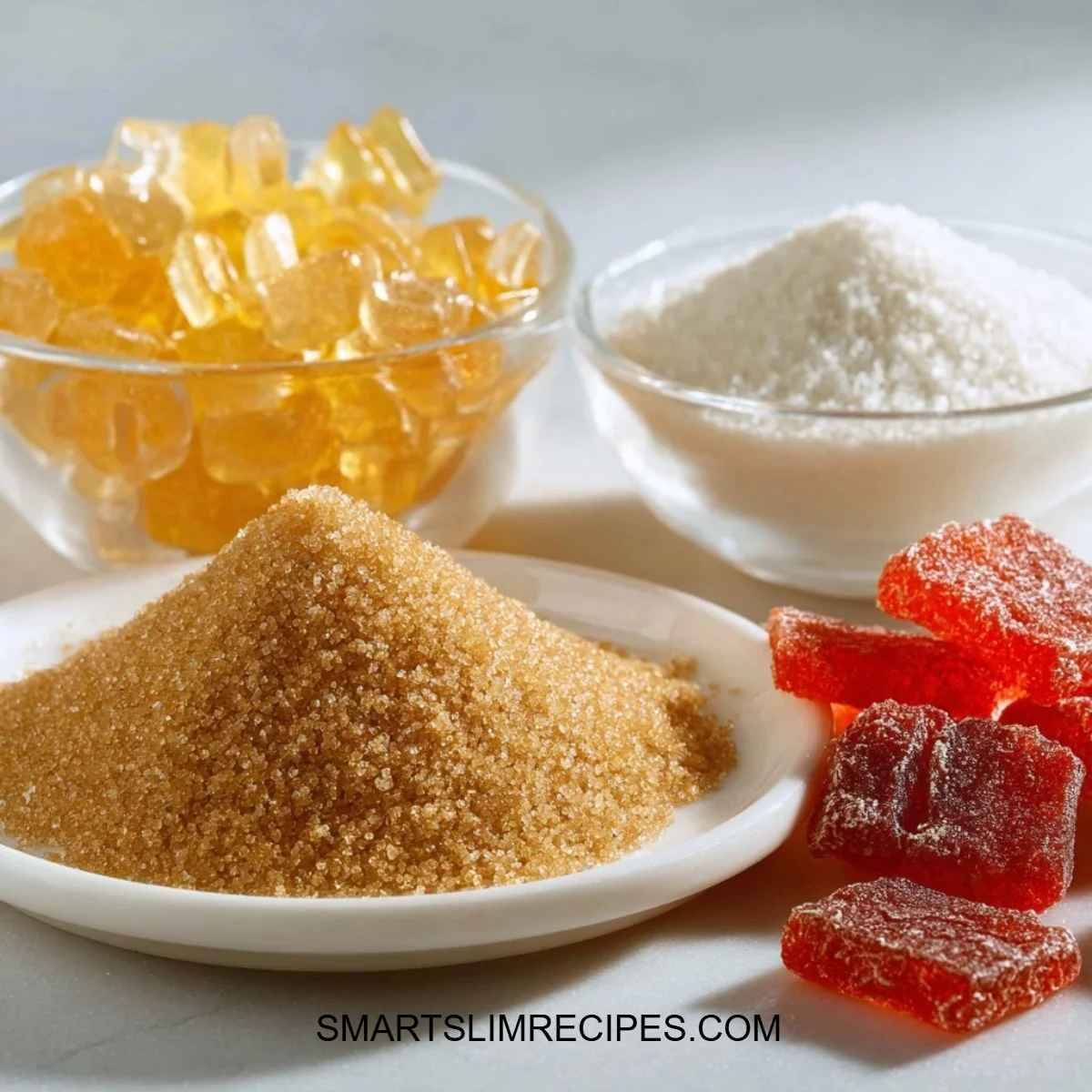
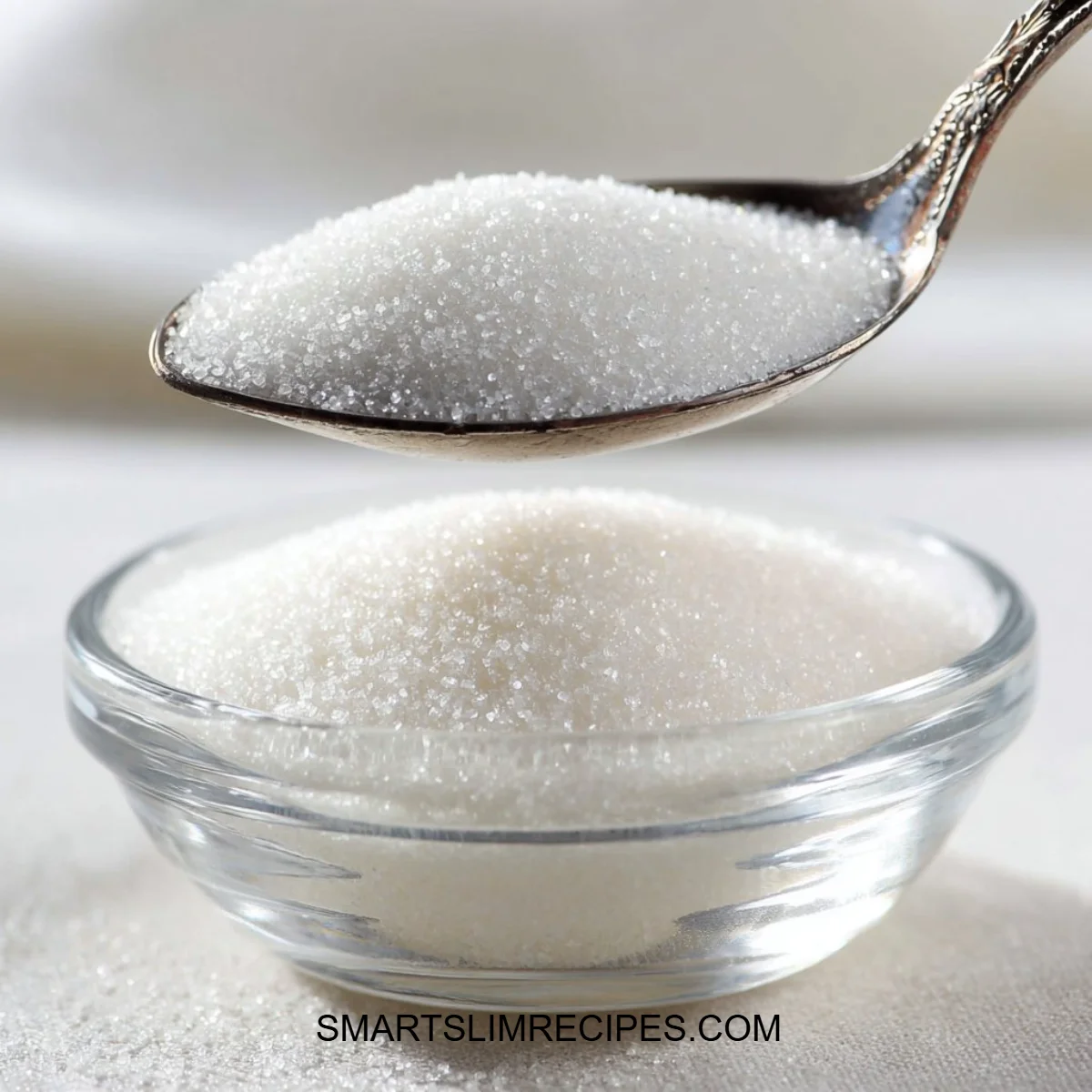
- Sweetener of choice (sugar, honey, stevia, or erythritol) — balances the tartness; choose lower-calorie options if reducing calories.
- Cold water and hot water — hot water dissolves the gelatin; cold water cools and helps the gel set.
- Optional: a pinch of salt or a little lemon zest — salt enhances flavor while zest boosts aroma without added sugar.
If you want alternative recipes or a different flavor profile, this simple three-ingredient trick offers variation ideas: 3-ingredient gelatin trick.
How to Make It (Step-by-Step)
Overview: Making Lemon Gelatin is quick and suitable for beginners. You’ll bloom the gelatin, dissolve it in hot liquid, sweeten and flavor, then chill until set. Expect about 10 minutes of active prep and 2 to 4 hours of chilling time depending on container size. Use shallow dishes for faster set times and to get a firmer texture.
- Bloom the gelatin: Sprinkle the powdered gelatin over 1/4 cup cold water in a small bowl and let sit for 3 to 5 minutes until it swells and looks jelly-like. This step ensures even dissolving and a smooth final texture.
- Heat water: Warm 3/4 cup hot water to near-boiling (about 190 F or until steam rises). Pour it into the bloomed gelatin and stir for 30 to 60 seconds until completely dissolved; the mixture should be clear and slightly syrupy.
- Add lemon and sweetener: Stir in 2 to 3 tablespoons fresh lemon juice and your chosen sweetener to taste while the mixture is still warm. Taste and adjust; the aroma should be bright and the balance pleasantly tart.
- Cool slightly: Let the mixture cool for 5 to 10 minutes at room temperature; this prevents shocking the gelatin when you add cold water and helps preserve flavor.
- Add cold water: Stir in 1/2 to 1 cup cold water depending on desired firmness; more water yields a softer gel. The surface will look glossy and the scent of lemon will be fresh.
- Transfer and chill: Pour into a shallow dish or individual cups and refrigerate uncovered for 1 to 2 hours for small servings or up to 4 hours for a larger mold. The gelatin should be firm to the touch and jiggle gently when set.
- Serve and store: Serve chilled, possibly with a sprig of mint or thin lemon slice. Store leftovers covered in the refrigerator for up to 4 to 5 days; the texture gradually softens over time.
For a version that pairs gelatin with apple cider vinegar ideas, consider this resource: apple cider vinegar gelatin.
How to Use It for Better Weight Loss
When used sensibly, Lemon Gelatin can be a helpful low-calorie snack that reduces temptation for higher-calorie sweets and supports mindful eating. Pairing it with routine habits like drinking water, balancing meals with protein and fiber, and watching portion sizes will improve results. Keep in mind that gelatin desserts are a small part of an overall diet and not a magic solution; consistency and whole-diet quality matter more. Use them as part of a structured approach, and monitor how your appetite and energy levels respond.
- Timing: Enjoy a small serving after lunch or dinner to satisfy dessert cravings without excess calories.
- Portions: Keep servings to 1/2 cup to 1 cup to control calories and avoid over-reliance.
- Frequency: 3 to 5 times per week as a controlled treat can fit into many plans.
- Daily habits: Combine with protein-rich meals and plenty of vegetables to support fullness.
- Safety: If you have allergies or dietary restrictions, choose gelatin substitutes or consult a professional.
Tips & Variations for Lemon Gelatin
Lemon Gelatin is highly adaptable; tweak sweetness, texture, or add-ins to match your goals and tastes while keeping calories low. Flavors can be layered with herbs or fruit, and you can swap sweeteners or use alternative gelling agents for diet preferences. Small changes can improve satiety or make the snack more enjoyable without adding many calories.
- Low-calorie option: Use a non-nutritive sweetener like stevia or erythritol to cut sugar calories.
- Flavor options: Add a teaspoon of grated lemon zest or a few smashed raspberries for depth.
- Texture swaps: Use less water for firmer gels or more water for a softer spoonable dessert.
- Diet-friendly swaps: Replace gelatin with agar-agar for a vegetarian version; note agar sets differently and may be firmer.
Mistakes to Avoid
Making Lemon Gelatin seems simple, but common errors can lead to grainy texture, weak set, or overly sweet results; paying attention to bloom times, temperatures, and ratios will help you succeed. Taste as you go, and correct small issues early so the final dessert matches your intended texture and flavor.
- Skipping the bloom: If you do not bloom gelatin in cold water first, you may end up with lumps; always hydrate gelatin before heating.
- Overheating gelatin: Boiling gelatin can reduce setting power; warm liquid to near-boil but avoid prolonged boiling.
- Adding citrus too early: Adding a lot of fresh lemon juice before gelatin dissolves can interfere with setting; dissolve gelatin first, then add lemon.
- Using too little gelatin: If the ratio favors water, the set will be weak; follow package guidance or reduce added water.
- Poor storage: Leaving gelatin uncovered in the fridge can cause drying or fridge flavors; cover gently with plastic wrap.
FAQs
Q: Can I make Lemon Gelatin ahead of time?
A: Yes, you can prepare Lemon Gelatin up to 4 days in advance and store it covered in the refrigerator. For best texture, use shallow containers so it sets evenly, and keep lids slightly vented to avoid condensation that can drip onto the surface.
Q: How long does Lemon Gelatin keep in the fridge?
A: Properly covered, Lemon Gelatin will keep 4 to 5 days in the refrigerator. Over time it may weep small amounts of liquid; gently blot with a paper towel before serving if needed.
Q: What are good substitutions for gelatin?
A: Agar-agar is a common vegetarian substitute; it sets more firmly and requires boiling to dissolve, so follow a recipe conversion. Note that plant-based gelling agents may yield a different mouthfeel than animal gelatin.
Q: Is there an ideal time to eat Lemon Gelatin for weight loss?
A: There is no single ideal time, but many find it helpful after meals to satisfy dessert cravings or as a mid-afternoon snack to prevent overeating later. Pairing it with balanced meals and regular water intake supports effectiveness.
Q: Is Lemon Gelatin safe for everyone?
A: Most people can enjoy Lemon Gelatin safely, but those with specific allergies, dietary restrictions, or medical conditions should consult a healthcare professional. If you are pregnant, breastfeeding, or taking medications, check with your provider before adding it regularly.
Final Thoughts
Lemon Gelatin offers a refreshing, low-calorie way to enjoy a dessert-like treat while keeping portions and calories in check. Its bright lemon flavor, cool texture, and easy prep make it a practical option for people wanting to manage cravings without complex recipes. While not a standalone weight-loss solution, it can be a useful part of a balanced approach that includes whole foods, activity, and mindful eating. Try it and tell me how it worked for you!
Conclusion
For a classic homemade approach, check the DIY Lemon Jello tutorial for practical steps and variations: DIY Lemon Jello – Domestic Dreamboat.
If you prefer naturally sweetened options, this recipe outlines ways to reduce refined sugar while keeping bright lemon flavor: Naturally Sweetened Homemade Lemon Jello.
For family-friendly takes and tips on texture, this recipe provides helpful guidance: Naturally Sweetened Lemon Jello Recipe – Mommypotamus.
If you value real juice and a fresh approach, explore this homemade lemon jello resource: Homemade Lemon Jello (With Real Juice!) – jellojoy.
For a lighter gelée-style dessert with technique tips, see this lemon gelée guide: Light & Refreshing Lemon Gelée – Gemma’s Bigger Bolder Baking.
The information provided in this article is for educational purposes only and should not be considered medical advice. Everyone’s body is different, and what works for one person may not work for another. It’s always best to speak with your healthcare provider before making this a daily habit, especially if you are taking medications, managing a medical condition, or are pregnant or breastfeeding. Always consult your doctor for personalized guidance.
PrintLemon Gelatin
- Total Time: 240 minutes
- Yield: 4 servings 1x
- Diet: Vegetarian
Description
A light, citrusy gelatin dessert perfect for a low-calorie snack that helps curb cravings.
Ingredients
- 1 packet powdered gelatin (or agar-agar for a vegetarian option)
- 1/2 cup fresh lemon juice or bottled lemon concentrate
- 1/4 cup sweetener of choice (sugar, honey, stevia, or erythritol)
- 3/4 cup hot water
- 1/2 to 1 cup cold water (depending on desired firmness)
- Optional: a pinch of salt or lemon zest
Instructions
- Bloom the gelatin: Sprinkle the powdered gelatin over 1/4 cup cold water in a small bowl and let sit for 3 to 5 minutes.
- Heat water: Warm 3/4 cup hot water to near-boiling and pour into the bloomed gelatin; stir until dissolved.
- Add lemon and sweetener: Stir in fresh lemon juice and sweetener to taste.
- Cool slightly: Let the mixture cool for 5 to 10 minutes at room temperature.
- Add cold water: Stir in cold water based on desired gel firmness.
- Transfer and chill: Pour into a shallow dish or cups and refrigerate for 1 to 4 hours.
- Serve and store: Serve chilled, optionally garnished, and store leftovers covered in the refrigerator.
Notes
Adjust sweetness to taste and experiment with flavor additions like zest or berries.
- Prep Time: 10 minutes
- Cook Time: 0 minutes
- Category: Dessert
- Method: Chilling
- Cuisine: American
Nutrition
- Serving Size: 1 serving
- Calories: 70
- Sugar: 4g
- Sodium: 10mg
- Fat: 0g
- Saturated Fat: 0g
- Unsaturated Fat: 0g
- Trans Fat: 0g
- Carbohydrates: 17g
- Fiber: 0g
- Protein: 1g
- Cholesterol: 0mg
Keywords: lemon gelatin, low-calorie dessert, gelatin recipe, weight loss snack