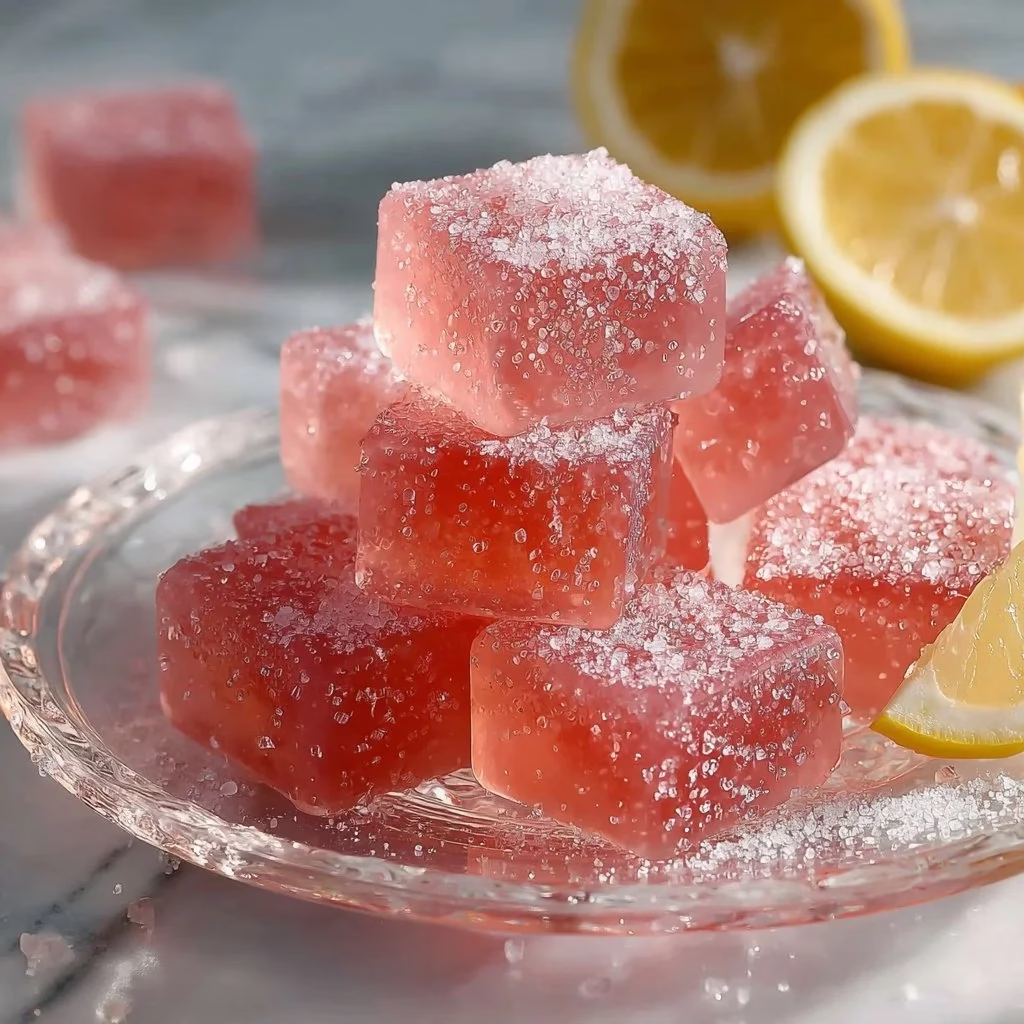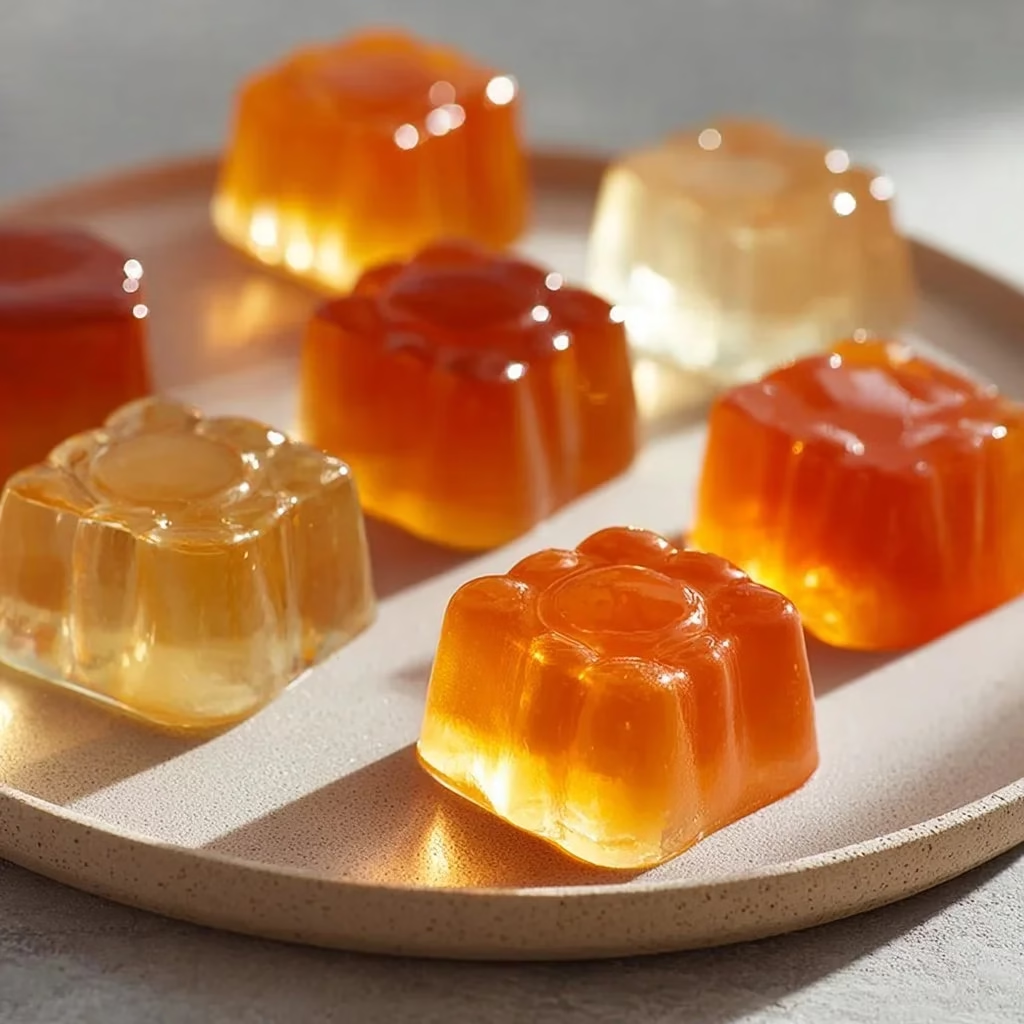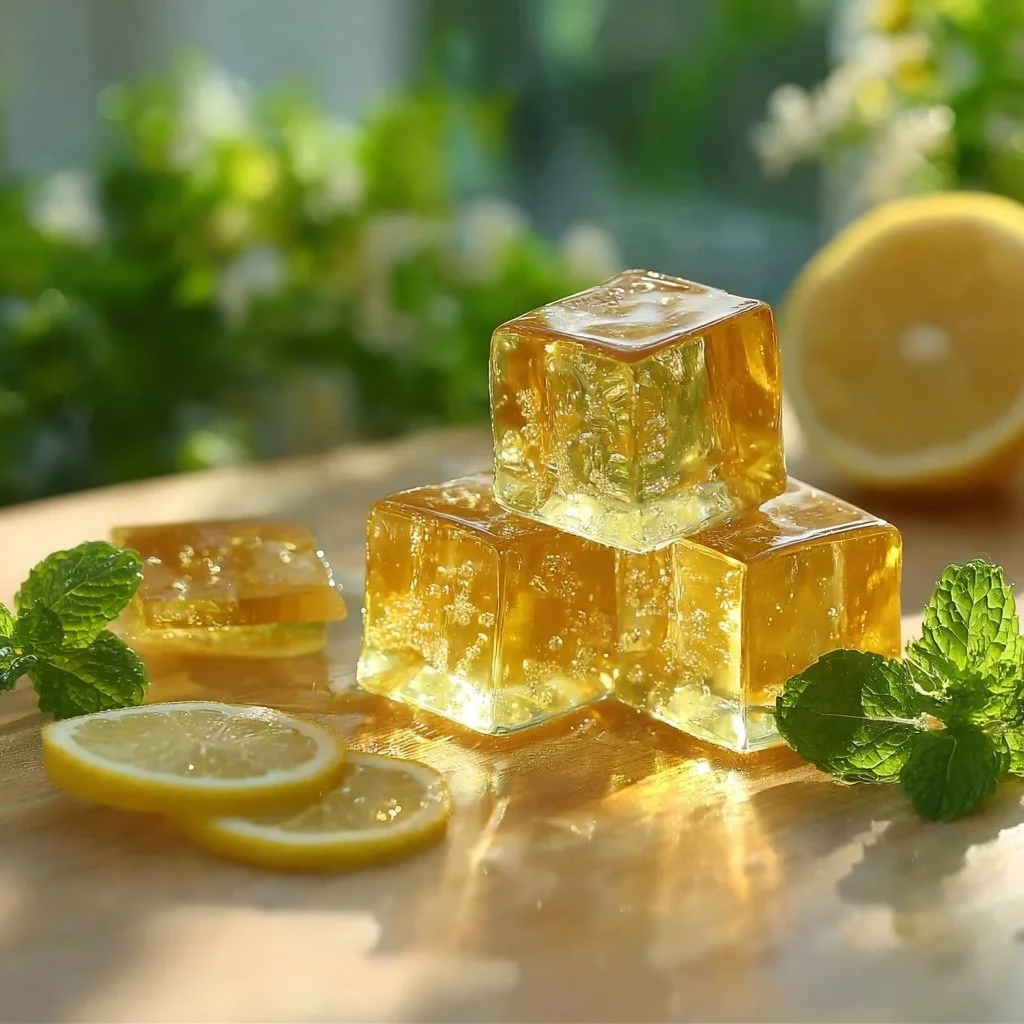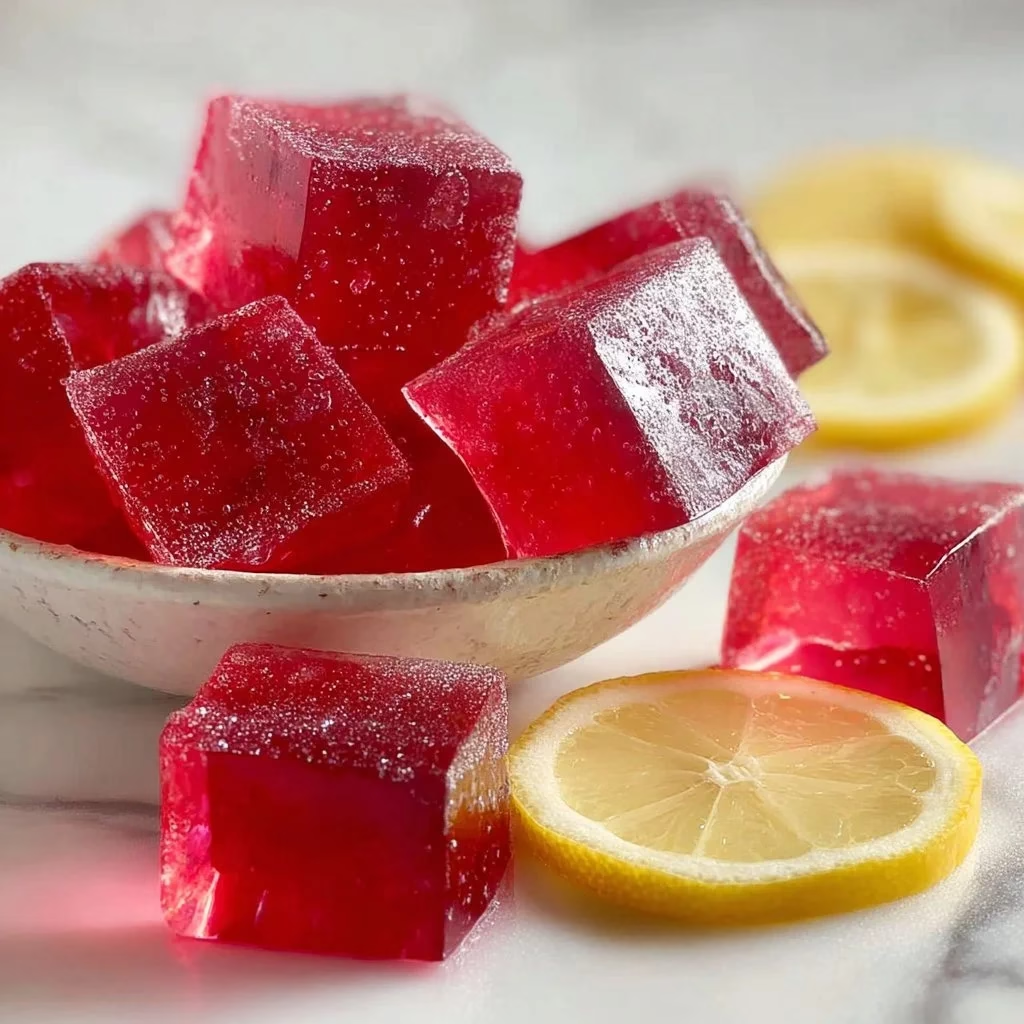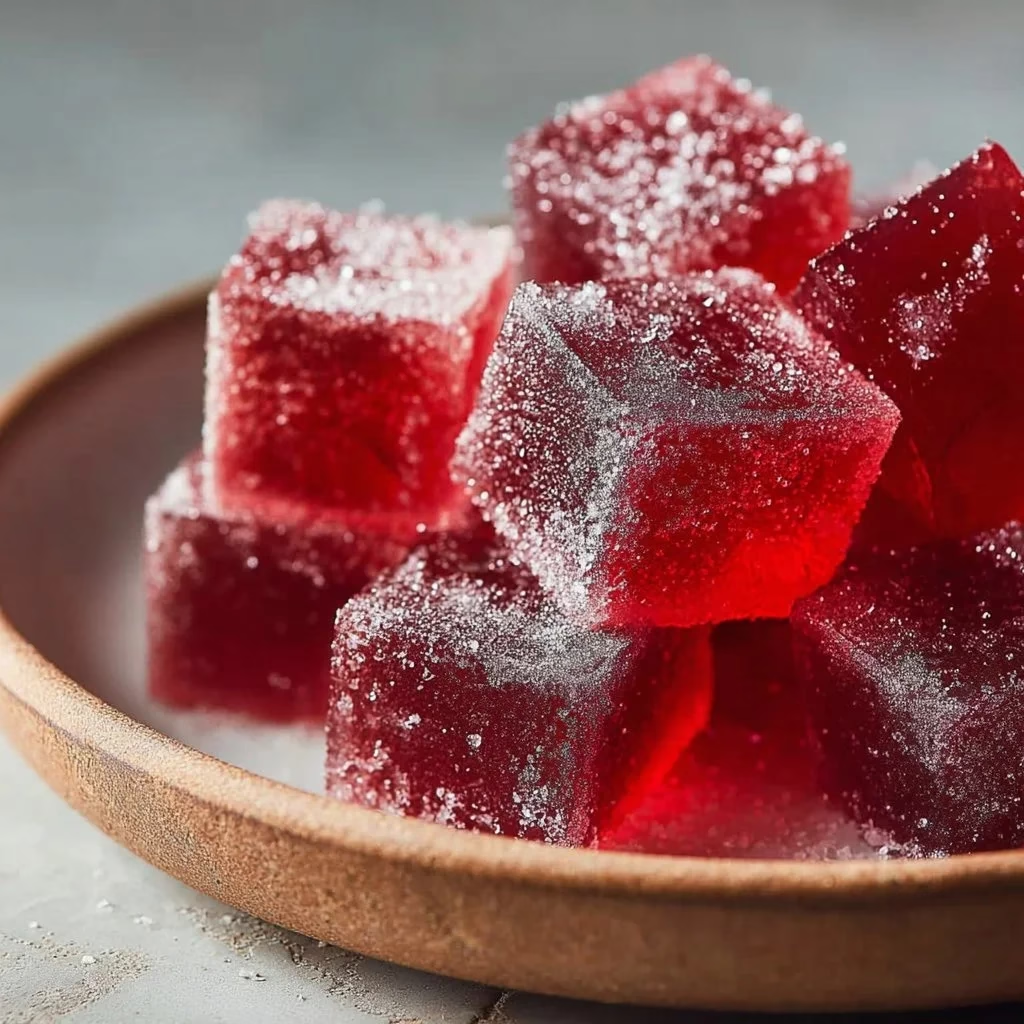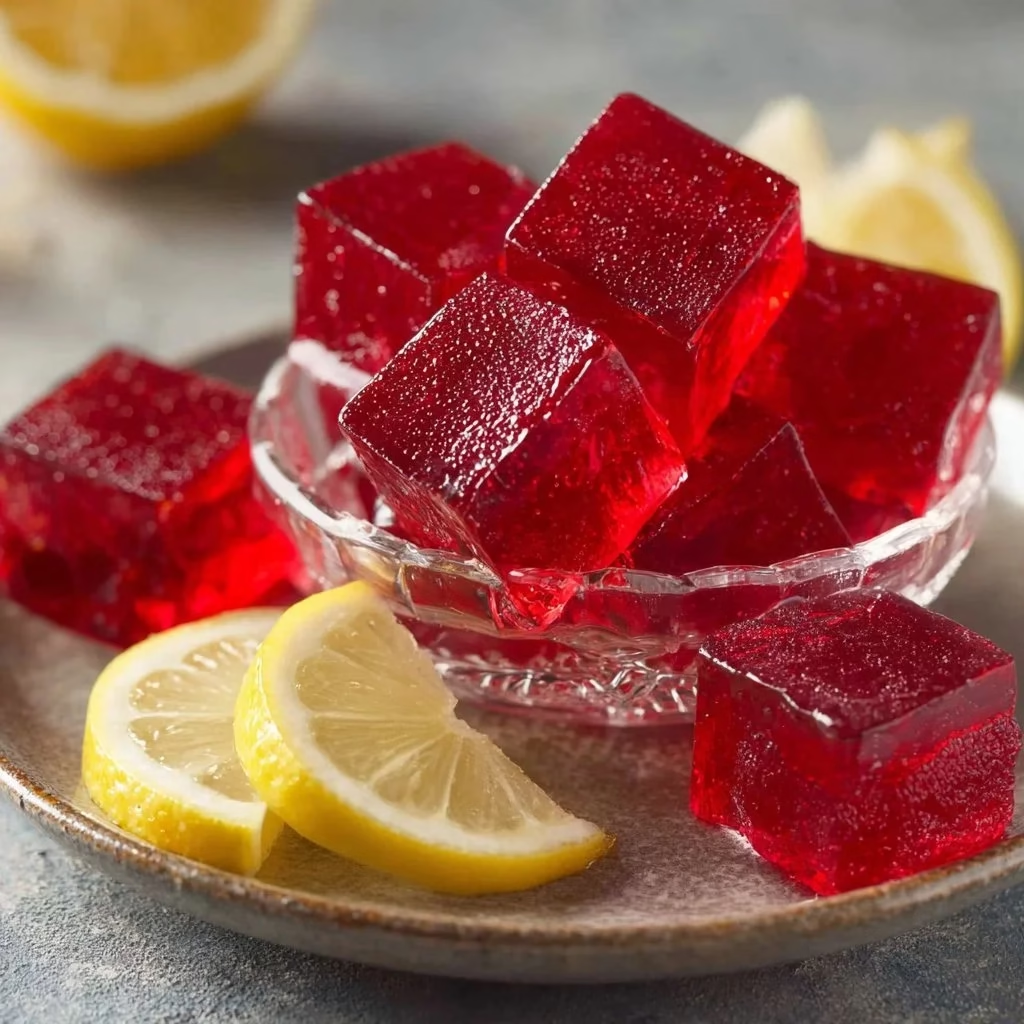

Bariatric gelatin has become a popular homemade remedy for people looking to support appetite control and improve satiety between meals. This gelatin is typically flavored, chilled, and eaten as a spoonable snack or light dessert; it often tastes mildly sweet, slightly fruity if flavored, and has a firm but yielding gel texture that feels cool on the tongue. Many use it after bariatric surgery or as a low-calorie way to feel full without heavy chewing, and its light aroma and smooth mouthfeel make it pleasant as a daily routine. If you want an easy snack that can help reduce cravings and add protein and hydration to your day, this simple preparation is worth trying. Curious to learn an approachable recipe and sensible ways to use it? Read on.
What Is Bariatric Gelatin for Weight Loss?
Bariatric gelatin for weight loss is a gelatin-based snack adapted for people who have had bariatric procedures or anyone seeking a low-calorie, protein-forward way to curb hunger. It usually combines unflavored gelatin or collagen with a protein source, liquid, and gentle flavoring so the final product sets into a firm, spoonable gel that is easy to swallow and digest. People use it to replace higher-calorie snacks, help manage post-surgery texture needs, or to create a consistent, controlled portion that helps reduce grazing between meals.
Clinicians and community users note that gelatin can add structure and slow gastric emptying slightly when combined with protein, which may support short-term satiety; however, it is not a magic solution and should be paired with balanced meals and medical guidance when necessary. For practical recipes, many resources include simple ingredient swaps and step-by-step methods so you can adjust texture and taste to your preferences, and some readers find value in pairing this approach with behavioral habit changes for longer-term success. For a basic recipe you can compare, see this gelatin trick explained that outlines common ratios.
Why People Love This Method for Weight Loss
Many people are drawn to bariatric gelatin for weight loss because it is convenient, customizable, and feels like a treat without a lot of calories. The gel sets into a smooth, cool snack that can satisfy sweet cravings or provide a light dessert that does not derail daily calorie goals.
- Easy ingredients: Most recipes use pantry staples you likely already have.
- Low cost: Basic gelatin and flavorings are inexpensive and long-lasting.
- Fits routine: It can be prepared ahead and portioned for grab-and-go use.
- Helps cravings: A spoonful of chilled gelatin can satisfy sweet or texture cravings without large calorie loads.
- Hydration support: Because it’s made with liquid, it helps contribute to daily fluid intake.
For user stories and variations that people try after surgery, check experiences with the viral gelatin trick experiences.
Ingredients
- Unflavored gelatin or collagen powder — provides the gel structure and may add protein; use collagen if you want extra protein.
- Cold water or herbal tea — hydrates and dilutes the gelatin; tea adds mild aroma and flavor.
- Low-calorie sweetener or a small amount of sugar — balances tart or bland gelatin; stevia or erythritol are common sugar-free swaps.
- Natural flavoring (vanilla, citrus zest, or flavored drink mix) — adds taste without many calories; use extracts or fresh juice sparingly.
- Protein powder (optional) — increases protein content to help satiety; choose a whey or plant-based powder that mixes smoothly.
- Fresh or pureed fruit (optional) — for texture and natural sweetness; reduce quantity to keep calories low.
- A pinch of salt — enhances flavor and reduces any medicinal taste from supplements.
If you’d like a recipe that includes apple cider vinegar for a tangy twist, consider this apple cider vinegar gelatin swap for guidance.
How to Make It (Step-by-Step)
This overview will help you make a smooth, spoonable bariatric gelatin that sets reliably. The basic process involves blooming the gelatin, dissolving it into warm liquid, adding protein or flavor, and chilling until set. Small adjustments to liquid volume and chilling time will change firmness, so test a small batch first to match your preferred texture. Beginners should measure carefully and cool gently to avoid grainy texture. For a clinician-recommended style, you can compare methods like Dr. Mark Hyman’s gelatin method for ideas on ratios and protein additions.
- Bloom the gelatin: Sprinkle 1 to 2 tablespoons of unflavored gelatin over 1/4 cup of cold water and let sit for 3 to 5 minutes. You will see the granules swell and become spongy, which ensures a smooth set later.
- Heat the liquid: Warm 3/4 to 1 cup of liquid (water, tea, or milk alternative) to about 120 to 140 F (warm but not boiling) for 30 to 60 seconds. The warm temperature helps dissolve gelatin quickly without damaging added protein powder.
- Dissolve the gelatin: Add the bloomed gelatin to the warm liquid and stir continuously for 30 to 60 seconds until fully dissolved and clear. At this point, add sweetener, extracts, or a small amount of protein powder and whisk until smooth and lump-free.
- Combine with cold liquid: Pour the dissolved mix into a bowl containing an additional 1/2 cup of chilled liquid if you prefer a softer set; this also helps cool the mixture quickly. Stir gently to integrate flavors and check for any undissolved bits.
- Add flavorings and pouring: Stir in pureed fruit or zest if using, then pour the mixture into individual ramekins or a shallow container. The surface should look glossy and free of bubbles.
- Chill until set: Refrigerate uncovered for 2 to 4 hours, or until the gel is firm to the touch and easily unmolds with a spoon. A longer chill yields a firmer texture; test after 2 hours for your preferred consistency.
- Serve and store: Serve chilled, either plain or with a light garnish like grated citrus peel. Store leftovers covered in the refrigerator for up to 4 days for best freshness.
For variations with protein powder ratios and texture notes, this 3-ingredient gelatin recipe offers simple starting points.
How to Use It for Better Weight Loss
Using bariatric gelatin for weight loss works best when it complements a structured eating plan rather than replacing meals entirely. Eat it as a controlled snack to bridge hunger between meals or as a low-calorie dessert to reduce the temptation for higher-calorie sweets. Keep portion control in mind, and pair your gelatin snack with regular hydration, adequate protein at main meals, and mindful eating practices to sustain longer-term weight change. If you have a medical history or are on medications, consult your provider about how to include gelatin safely in your routine.
- Timing: Enjoy a small serving 30 to 60 minutes before a meal to test whether it reduces portion size at the next meal.
- Portions: Stick to single-serve ramekins of about 100 to 150 grams to control calories.
- Frequency: Start with once per day and monitor hunger cues; adjust to two times daily only if it fits your overall calorie and protein goals.
- Daily habits: Use it alongside balanced meals and regular protein to avoid nutrient gaps.
- Safety: Avoid excessive use of sweeteners or hidden sugars and speak with your clinician if you have allergies or dietary restrictions.
Tips & Variations
Bariatric gelatin is flexible, so you can adapt texture and nutrition to your goals and taste preferences. Lowering added sugars and increasing protein can make it more filling, while fruit purees and extracts can keep the snack interesting. Experiment with firmness and flavors to find what helps you consistently reduce snacking on higher-calorie items.
- Low-calorie option: Use unflavored gelatin with stevia and unsweetened herbal tea for flavor without added calories.
- Flavor options: Citrus zest, vanilla extract, or a splash of sugar-free juice can add bright taste.
- Diet-friendly swaps: Replace whey protein with pea protein for a dairy-free option and use collagen peptides for a neutral-flavored protein boost.
- Texture changes: Use more liquid for a softer pudding-like gel and less liquid for a firmer, spoonable jelly.
- Make it portable: Set in silicone muffin cups for grab-and-go single portions.
Mistakes to Avoid
Making gelatin seems simple, but a few common mistakes can affect texture and satisfaction. Avoid rushing the bloom and dissolve steps, as under-dissolved gelatin can result in grainy or uneven texture; take your time and whisk thoroughly. Also watch portions and added sweetness to ensure the snack remains low-calorie and supportive of your weight goals.
- Skipping the bloom: Always let gelatin bloom in cold liquid for 3 to 5 minutes before heating to avoid lumps.
- Using boiling liquid: Do not boil gelatin; boiling can break down the gel and alter texture, so keep it warm rather than hot.
- Overloading with sugar: Excess sweetener can add calories and weaken the weight-loss benefit; use modest amounts or sugar-free alternatives.
- Ignoring protein needs: If you rely on gelatin as a snack, consider adding a protein powder or pairing with a protein food to support satiety.
- Not testing texture: Make a small trial batch to dial in liquid ratios that match your desired firmness.

FAQs
Q: Can I prepare bariatric gelatin ahead of time for the week?
A: Yes, you can prepare single-serve portions and refrigerate them for up to 3 to 4 days. Keep them covered to prevent odor absorption and check texture before serving — some gels firm up a bit more over time. If you added fresh fruit, consume sooner for best quality.
Q: How should I store leftover gelatin and can it be frozen?
A: Store in airtight containers in the refrigerator for best freshness; freezing is possible but may change the texture and make it watery when thawed. If you freeze, use small portions and thaw in the refrigerator before serving, stirring gently if separation occurs.
Q: What are good substitutions if I do not have unflavored gelatin?
A: You can use collagen peptides or agar-agar depending on dietary preferences; note that agar sets differently and often yields a firmer, sometimes brittle texture. Adjust quantities and follow specific instructions for plant-based gelling agents.
Q: When is the best time to eat this gelatin for weight control?
A: Try it as a mid-afternoon snack or a light dessert after dinner to curb cravings; some people also use it 30 to 60 minutes before a meal to see if it reduces meal portion sizes. Monitor how it affects your hunger and energy, and adjust timing accordingly.
Q: Is bariatric gelatin safe for people on medications or with medical conditions?
A: Gelatin is generally safe for most people, but if you are taking medications, have kidney disease, or have other health concerns, consult your healthcare provider first. Supplements and some protein powders can interact with medications, so professional guidance is recommended.
Final Thoughts
Bariatric gelatin for weight loss is an approachable, low-cost tool that can support appetite control, increase hydration, and offer a pleasant, spoonable snack that fits many routines. When made with mindful portions, little added sugar, and an optional protein boost, it can help manage cravings and replace higher-calorie sweets without feeling like deprivation. Remember, it is a supportive habit rather than a standalone solution, and pairing gelatin with balanced meals and regular activity offers the best chance for sustainable results. Try it and tell me how it worked for you!
Conclusion
For a detailed critique and background on the trend, consider this analysis of the Dr Oz gelatin recipe for weight loss.
If you want a ready-made product version to compare with homemade options, review this bariatric gelatin recipe product listing.
Read a first-person trial and sensory report at this viral gelatin trick trial write-up for real-world impressions.
Explore perspectives weighing clinical use versus social media hype in this discussion on clinical tool or viral trick.
For additional homemade variations and ideas, see this Bariatric Gelatin Recipe For Weight Loss – The Vegnish.
The information provided in this article is for educational purposes only and should not be considered medical advice. Everyone’s body is different, and what works for one person may not work for another. It’s always best to speak with your healthcare provider before making this a daily habit, especially if you are taking medications, managing a medical condition, or are pregnant or breastfeeding. Always consult your doctor for personalized guidance.
PrintBariatric Gelatin for Weight Loss
- Total Time: 4 hours 15 minutes
- Yield: 4 servings 1x
- Diet: Bariatric, Low Calorie, High Protein
Description
A low-calorie, protein-rich gelatin snack designed to help curb appetite and manage cravings, perfect for those post-bariatric surgery or seeking a light dessert.
Ingredients
- 1 to 2 tablespoons unflavored gelatin or collagen powder
- 1/4 cup cold water or herbal tea
- Low-calorie sweetener or a small amount of sugar
- Natural flavoring (vanilla, citrus zest, or flavored drink mix)
- Protein powder (optional)
- Fresh or pureed fruit (optional)
- A pinch of salt
Instructions
- Bloom the gelatin by sprinkling it over cold water and letting it sit for 3 to 5 minutes.
- Heat 3/4 to 1 cup of liquid to about 120 to 140°F for 30 to 60 seconds.
- Dissolve the bloomed gelatin into the warm liquid and stir for 30 to 60 seconds.
- Combine the mixture with an additional 1/2 cup of chilled liquid if prefer a softer gel.
- Add flavorings and stir well before pouring into containers.
- Chill in the refrigerator for 2 to 4 hours until set.
- Serve chilled, plain or garnished, and store leftovers in the refrigerator.
Notes
Experiment with firmness and flavors to match your preferences. Consider controlling sweetness and portion for weight management.
- Prep Time: 15 minutes
- Cook Time: 4 hours
- Category: Snack
- Method: Refrigeration
- Cuisine: American
Nutrition
- Serving Size: 1 serving
- Calories: 80
- Sugar: 2g
- Sodium: 75mg
- Fat: 0g
- Saturated Fat: 0g
- Unsaturated Fat: 0g
- Trans Fat: 0g
- Carbohydrates: 2g
- Fiber: 0g
- Protein: 15g
- Cholesterol: 0mg
Keywords: bariatric gelatin, weight loss, low calorie snack, protein snack, appetite control