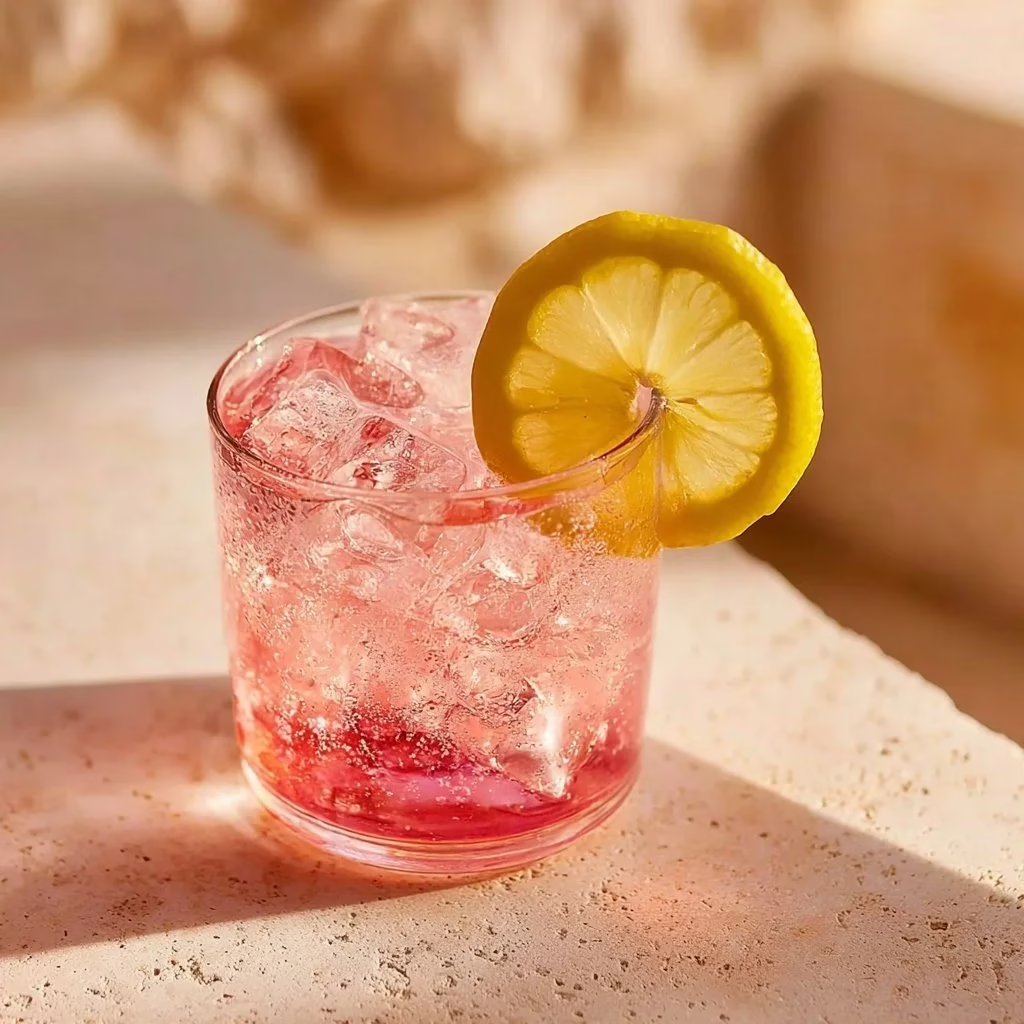
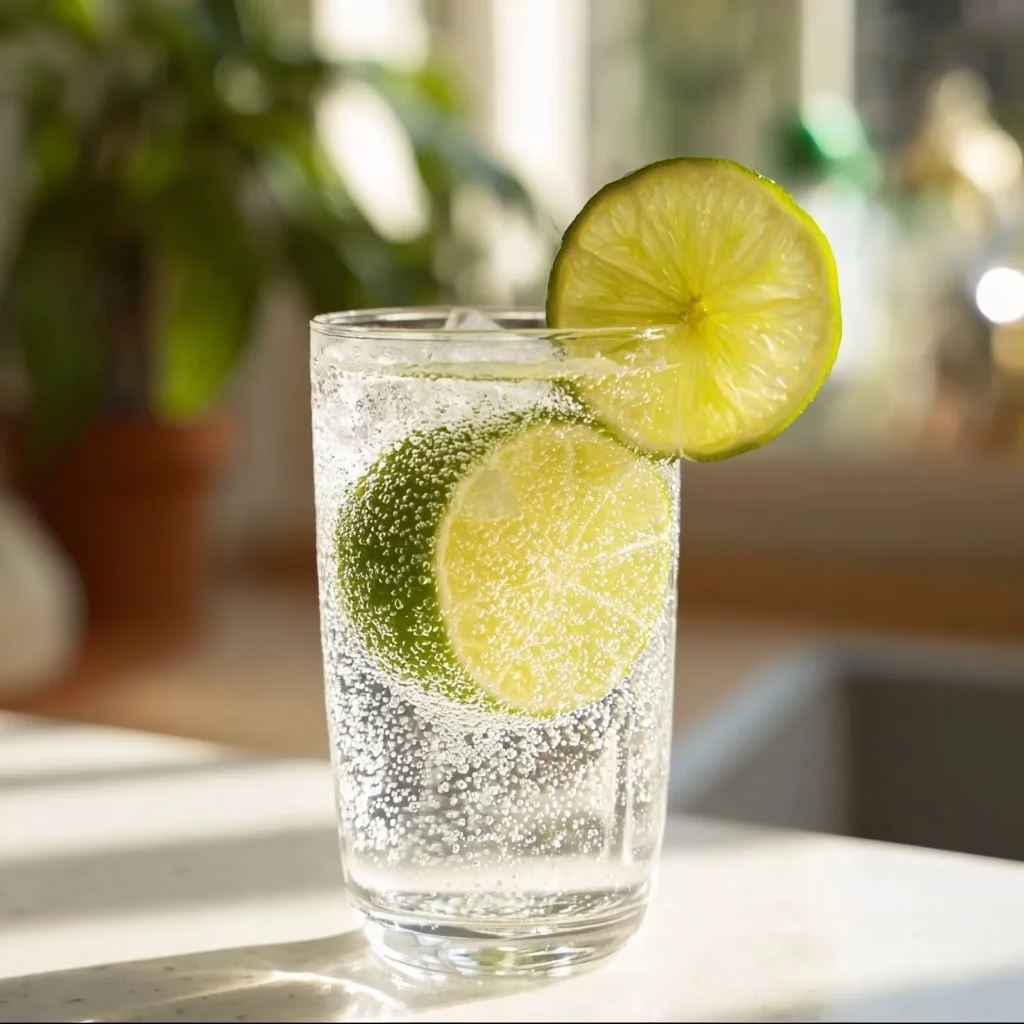
Prebiotic water is a simple drink made by infusing water with prebiotic fibers and mild flavorings to feed helpful gut bacteria, and many people use it to support slimming goals and reduce cravings. It often tastes subtly tangy or lightly sweet, feels smooth on the tongue, and is best served cool or at room temperature with a faint fresh aroma from added citrus or herbs. People turn to Prebiotic Water for Weight Loss because it can encourage regularity, improve satiety between meals, and be an easy way to increase fiber without bulk. If you like crisp, refreshing beverages that quietly support digestion, this is a low-effort habit worth trying — and it might become a daily favorite.
What Is Prebiotic Water for Weight Loss?
Prebiotic water is plain or flavored water that contains soluble fibers such as inulin, fructooligosaccharides, or resistant dextrins that are dissolved or lightly suspended to feed beneficial gut microbes. Unlike probiotic drinks that deliver live bacteria, prebiotic water supplies the food those microbes ferment to produce short-chain fatty acids, which can influence appetite, blood sugar, and gut barrier function. Many people use it for slimming because small amounts of prebiotic fiber may increase feelings of fullness and reduce late-night snacking without the texture or calories of heavy fiber supplements. As a neutral health note, the effect size varies by person, and responses depend on baseline gut composition and overall diet; start slowly to avoid bloating.
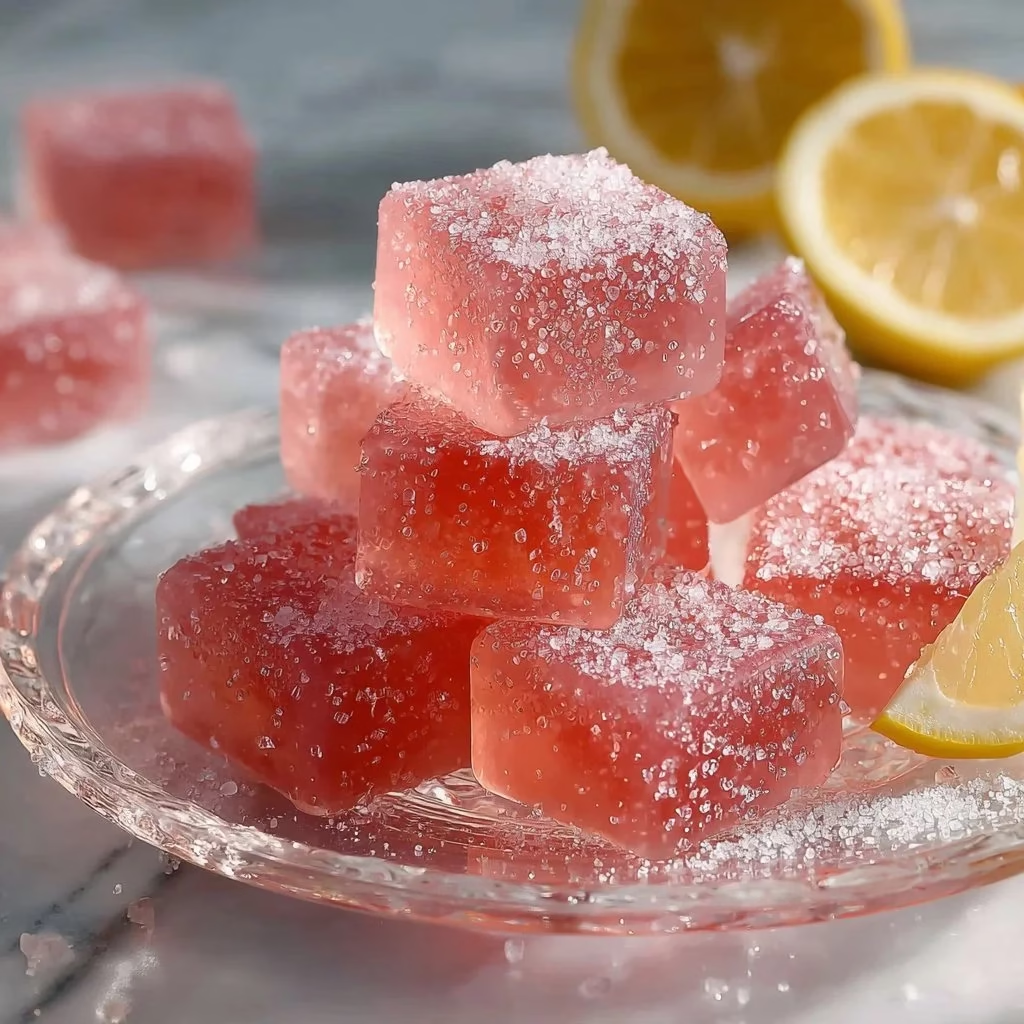
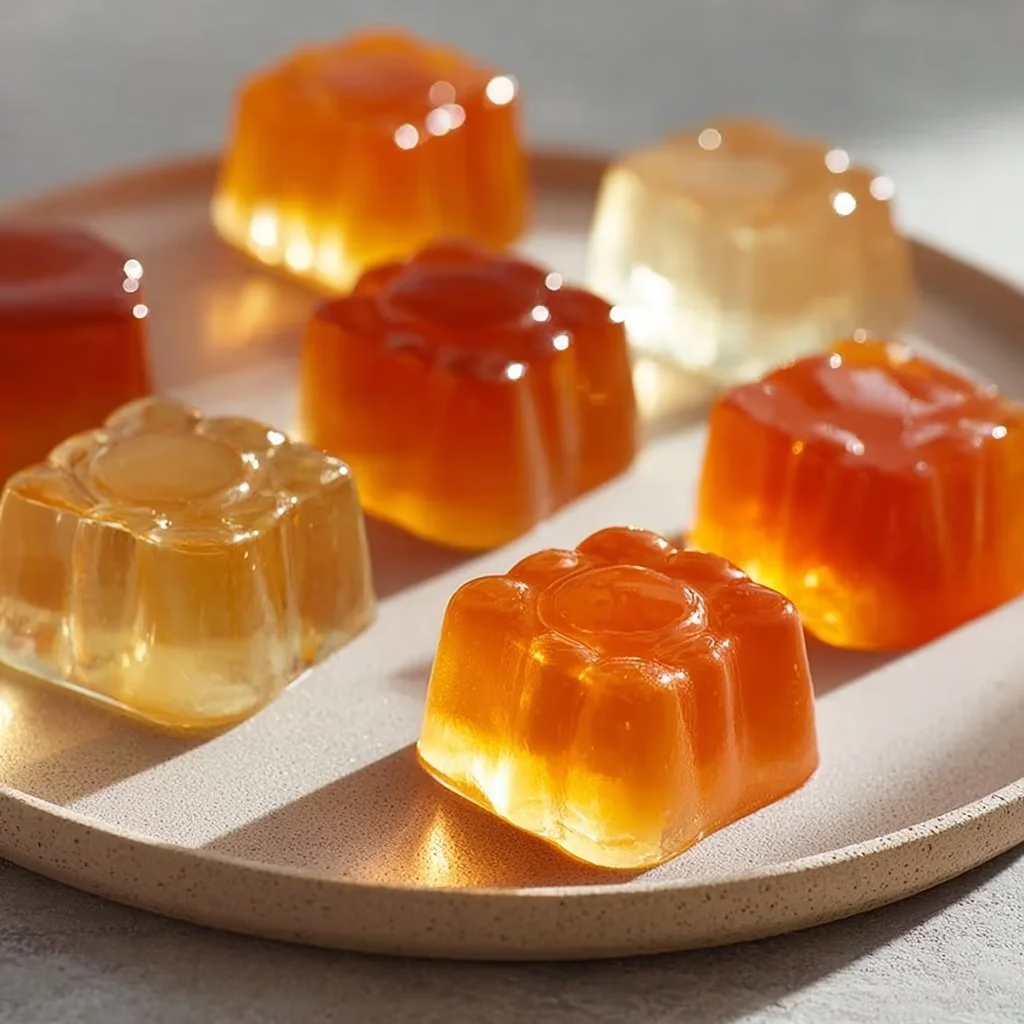
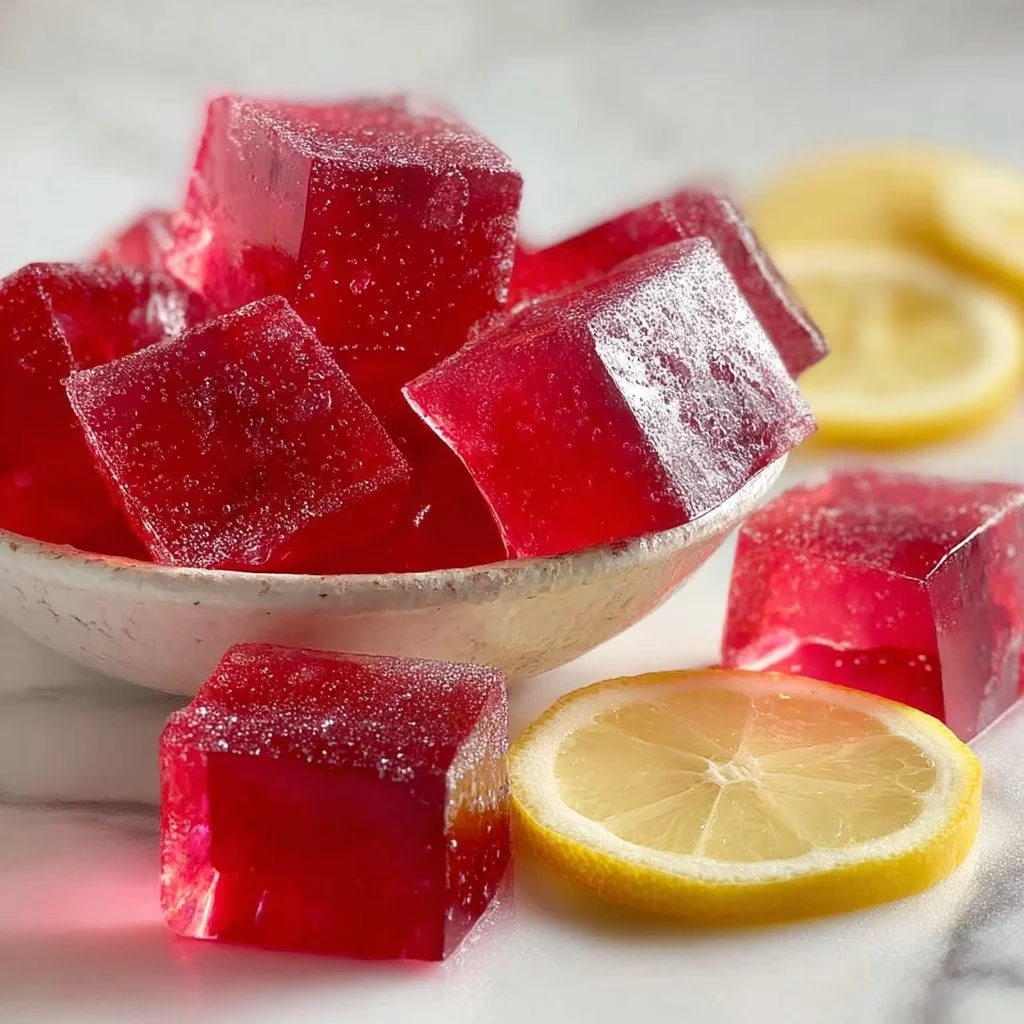
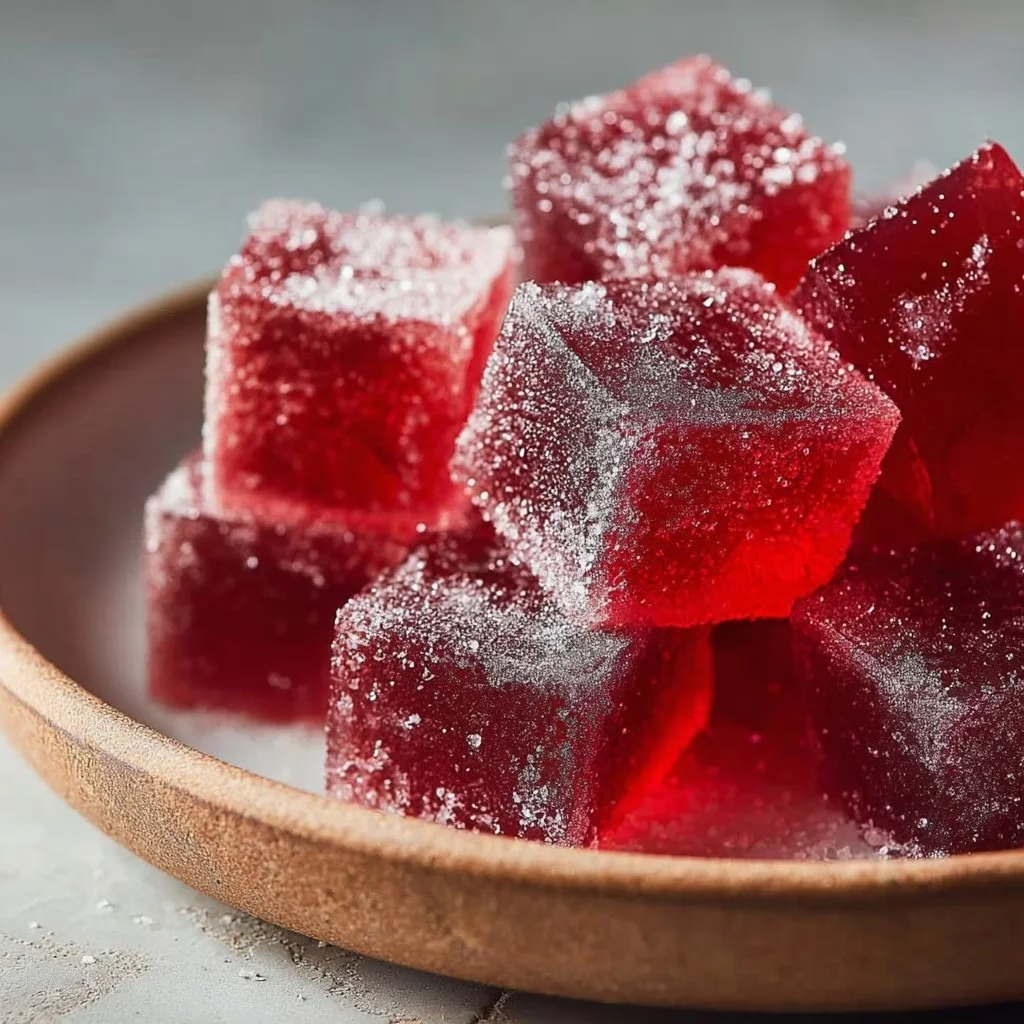
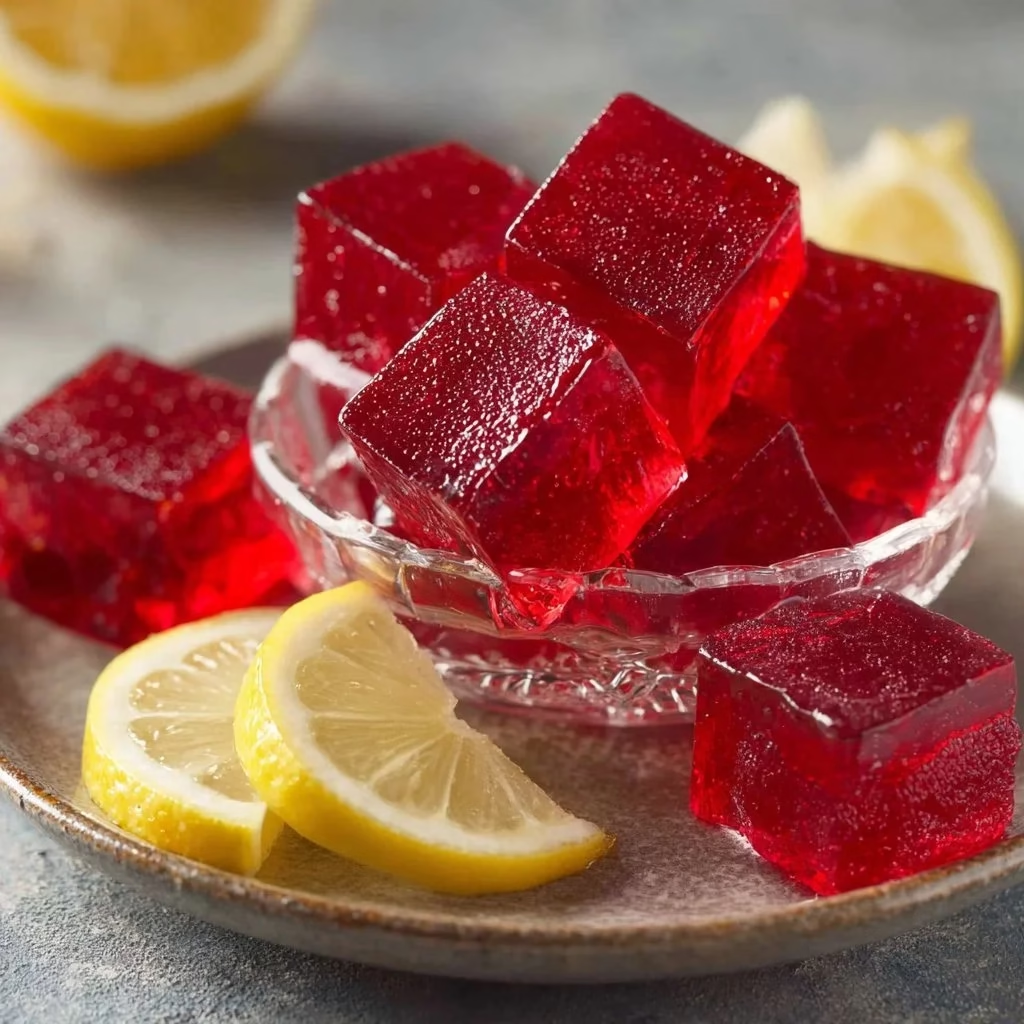
Prebiotic water is often paired with healthy habits like portion control and regular activity rather than used as a standalone "cure." It can be convenient to sip through the day to maintain hydration and deliver low-level prebiotic support, and some users prefer it over bulky fiber supplements or calorie-containing drinks. Interestingly, research suggests prebiotics can modulate metabolic signals, but clinical outcomes differ by study, making it best seen as a supportive strategy within a balanced plan. If you are curious about combining approaches, some people also use complementary gelatin-based satiety tricks such as the 3-ingredient gelatin recipe to extend fullness between meals.
Why People Love This Method for Weight Loss
Many people appreciate prebiotic water because it is low-effort, can be made with simple pantry ingredients, and supports hydration while delivering a functional benefit to the gut. It’s subtle in taste, portable, and can be customized so it fits easily into morning routines or gym bags without adding calories or sweetness.
- Easy ingredients and minimal prep make it accessible for busy lifestyles.
- Low cost compared with bottled functional beverages or supplements.
- Fits into existing routines – sip it during work or between meals to help control cravings.
- Supports hydration while providing fiber-like benefits without gritty texture.
Ingredients
- Inulin powder or chicory root fiber – primary prebiotic; dissolves well and feeds beneficial bacteria.
- Fructooligosaccharides (FOS) or resistant dextrin – alternative prebiotic fibers for variety or tolerance differences.
- Fresh lemon or lime slices – add bright flavor and a pleasant aroma without calories.
- Fresh mint or basil leaves – optional herb for cooling aroma and a hint of flavor.
- Cold or filtered water – the base; use chilled water for a refreshing finish.
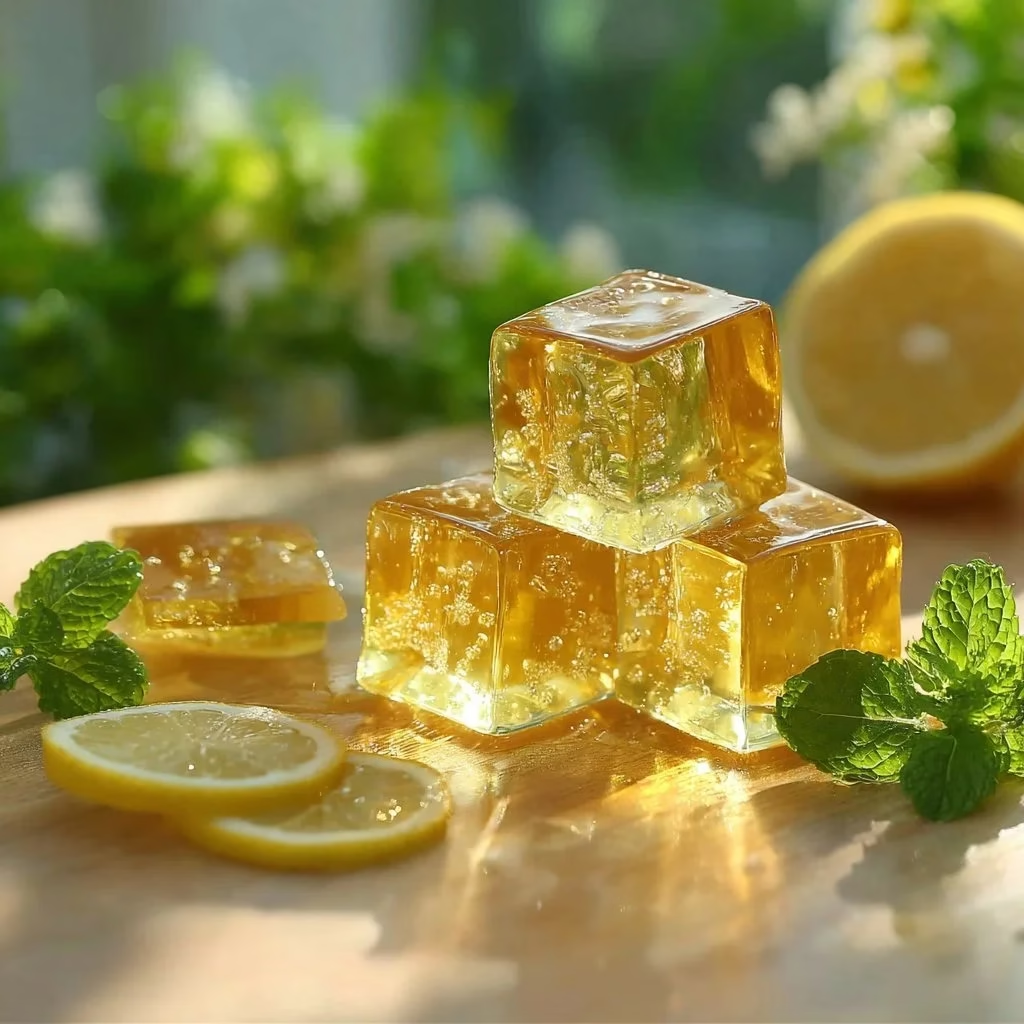
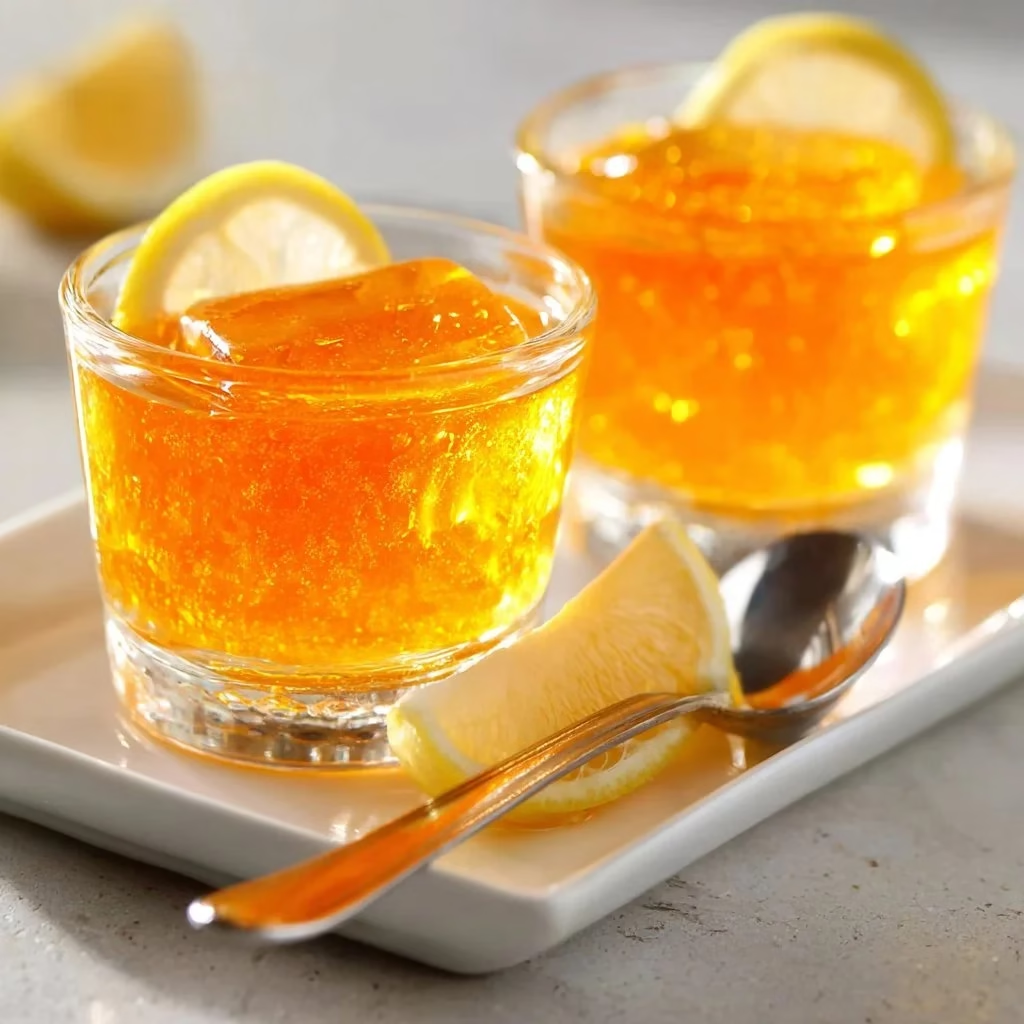
- A small pinch of sea salt or a splash of apple cider vinegar – optional for mineral balance and tang; if you try vinegar ideas, consider reading discussions such as the apple cider vinegar gelatin idea for combined strategies.
How to Make It (Step-by-Step)
Overview: Making prebiotic water is quick and flexible. Measure your chosen prebiotic fiber carefully, start with a small dose, and dissolve it in cool water with flavorings to improve palatability. Chilled prebiotic water tastes crisp, while room temperature versions can be gentler on sensitive stomachs. Use glass or BPA-free bottles to avoid off-flavors, and experiment with fiber types to find what your gut tolerates best.
- Measure the fiber. Use about 1 to 3 grams of inulin or FOS to start; weigh it on a kitchen scale or use the manufacturer’s scoop. Smaller doses reduce the chance of gas or bloating as your microbiome adapts.
- Warm a small amount of water. Pour 50 to 100 ml of warm water at about 40 to 45 C (warm but not hot) to help the powder dissolve; stir until smooth. The mixture will be slightly viscous and glossy.
- Combine with cold water. Add the dissolved prebiotic to 500 to 750 ml of cold or room-temperature water and stir or shake vigorously in a sealed bottle. You should notice a faint cloudiness but an otherwise clear appearance.
- Add flavorings. Drop in a few lemon slices and a sprig of mint for fragrance and a bright taste; steep for 5 to 10 minutes to infuse. Taste and adjust – it should be light, not sour.
- Chill and serve. Refrigerate for at least 30 minutes for a refreshing finish, or enjoy immediately if you prefer cooler room-temperature beverage. Cold water sharpens the citrus aroma and gives a crisp mouthfeel.
- Start slow and test tolerance. Drink a small portion first and note how your stomach reacts over 24 hours before making it a daily habit. This helps you identify the best dose without uncomfortable symptoms.
How to Use It for Better Weight Loss
Use prebiotic water as a consistent, low-calorie habit that complements a balanced diet rather than replacing meals. Drinking a glass before meals can help some people reduce calorie intake by increasing perceived fullness, and sipping throughout the day supports hydration which is often misinterpreted as hunger. Pair it with protein-rich meals and fiber from whole foods for the best appetite control, and monitor tolerance, because some people experience gas as the microbiome adapts.
- Timing: Try one glass 15 to 30 minutes before meals to test if it reduces portions.
- Portions: Keep servings to 250 to 500 ml per session and limit total prebiotic dose to the level you tolerate.
- Frequency: Start with once daily and increase to 1 to 2 times per day if well tolerated.
- Daily habits: Combine with mindful meals and regular activity for better results.
- Safety: If you have IBS, fructose malabsorption, or a sensitive gut, consult a clinician and begin at very low doses.
Tips & Variations
Prebiotic water is adaptable: adjust fibers, flavors, and concentrations to suit taste and digestion preferences. Flavored versions make it easier to stick to without adding sugar, and alternating fiber types can reduce monotony while supporting a diverse microbiome. Keep portion control in mind and focus on variety in your overall diet rather than relying solely on this drink.
- Low-calorie option: Use plain citrus and herbs only, skipping any sweeteners or vinegars.
- Flavor options: Try cucumber and mint, grapefruit and rosemary, or ginger slices for a warming note.
- Diet-friendly swaps: Use resistant dextrin if inulin causes sensitivity, or skip the acid for reflux-prone individuals.
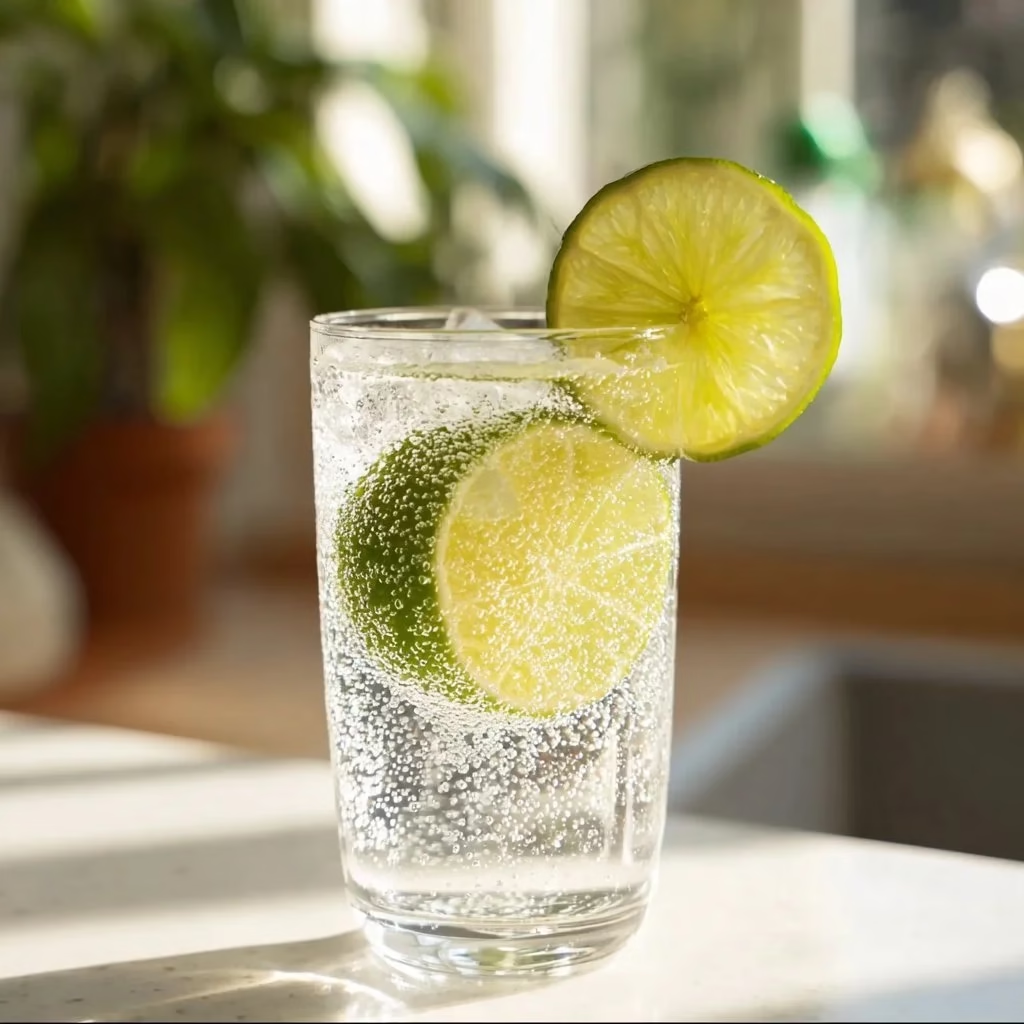
- Make a sparkling version: Mix with chilled carbonated water for a bubbly texture.
Mistakes to Avoid
A common mistake is assuming more prebiotic equals better results; too much too soon can cause bloating, gas, or discomfort. Another error is relying on prebiotic water as a shortcut instead of combining it with dietary changes and exercise. Finally, using poor-quality fibers or flavored mixes with added sugars undermines the low-calorie benefit.
- Overdosing on fiber – start small and increase gradually to avoid digestive upset.
- Using sugary flavorings – choose fresh herbs and citrus to keep calories low.
- Expecting immediate weight loss – view this as a supportive habit rather than a quick fix.
- Neglecting overall diet – pair with whole foods and protein for best results.
FAQs
Q: Can I prepare prebiotic water in advance?
A: Yes, you can prepare it up to 48 hours ahead if stored in the refrigerator in a sealed container. The flavor may mellow over time and some fibers can slightly change texture, so shake or stir before drinking. For best freshness, add delicate herbs right before serving.
Q: How should I store prebiotic water and how long does it keep?
A: Store chilled in a glass bottle or jar with a tight lid for up to 48 hours; discard if it develops off-odors or cloudiness beyond the expected slight turbidity. Keeping it cold slows microbial growth and preserves flavor. If you add fresh fruit, consume sooner to avoid fermentation.
Q: What can I substitute if I don’t have inulin?
A: You can use fructooligosaccharides, resistant dextrin, or small amounts of soluble fiber powders as alternatives; each has a slightly different taste and fermentation profile. Try a low dose first to assess tolerance, because individual responses vary. Some people switch fibers periodically for variety.
Q: When is the best time to drink prebiotic water for weight management?
A: Many people find drinking it 15 to 30 minutes before a meal helps reduce appetite and portion size, while others sip between meals to curb snacking. Consistency matters more than perfect timing, so pick a routine you can maintain. Avoid large doses right before intense exercise if you are prone to bloating.
Q: Is prebiotic water safe for everyone?
A: For most healthy adults, small doses are safe, but those with advanced digestive conditions, recent surgery, or certain medical treatments should consult a healthcare professional first. If you are taking medications or are pregnant or breastfeeding, check with your provider before starting any new daily supplement. Monitor for increased bloating or discomfort and adjust accordingly.
Final Thoughts
Prebiotic water for weight loss can be a gentle, affordable tool to support appetite control, hydration, and gut health when used as part of a balanced lifestyle. It is easy to customize, portable, and unobtrusive, making it simple to adopt long term for many people. Results vary by individual, and it works best combined with nutritious meals, regular activity, and attention to portion sizes. Try it and tell me how it worked for you!
Conclusion
For a science-backed perspective on prebiotics and weight management, see the Effect of weight loss program using prebiotics and probiotics on …. Studies on timing and microbiome shifts are discussed in Active phase prebiotic feeding alters gut microbiota, induces weight …, while research on specific drug interactions is summarized in Influence of prebiotic intake on olanzapine-mediated weight gain …. For balanced coverage of popular ingredients sometimes paired with prebiotics, read about vinegar claims in Debunking the health benefits of apple cider vinegar. For a consumer-oriented look at marketed prebiotic beverages, review Are Prebiotic Sodas Good for Your Health? | Hartford Hospital.
The information provided in this article is for educational purposes only and should not be considered medical advice. Everyone’s body is different, and what works for one person may not work for another. It’s always best to speak with your healthcare provider before making this a daily habit, especially if you are taking medications, managing a medical condition, or are pregnant or breastfeeding. Always consult your doctor for personalized guidance.
PrintPrebiotic Water for Weight Loss
- Total Time: 35 minutes
- Yield: 4 servings 1x
- Diet: Vegan
Description
A simple, refreshing drink infused with prebiotic fibers to support gut health and control cravings.
Ingredients
- 1 to 3 grams of inulin powder or chicory root fiber
- 50 to 100 ml warm water
- 500 to 750 ml cold or filtered water
- Fresh lemon or lime slices
- Fresh mint or basil leaves (optional)
- A small pinch of sea salt or a splash of apple cider vinegar (optional)
Instructions
- Measure the fiber.
- Warm a small amount of water.
- Combine with cold water.
- Add flavorings.
- Chill and serve.
- Start slow and test tolerance.
Notes
Adjust flavors and fibers to suit your taste. Drink before meals for better appetite control.
- Prep Time: 5 minutes
- Cook Time: 30 minutes
- Category: Beverage
- Method: Infusion
- Cuisine: Health
Nutrition
- Serving Size: 250 ml
- Calories: 20
- Sugar: 1g
- Sodium: 5mg
- Fat: 0g
- Saturated Fat: 0g
- Unsaturated Fat: 0g
- Trans Fat: 0g
- Carbohydrates: 5g
- Fiber: 3g
- Protein: 0g
- Cholesterol: 0mg
Keywords: prebiotic water, weight loss, gut health, hydration, fiber drink